

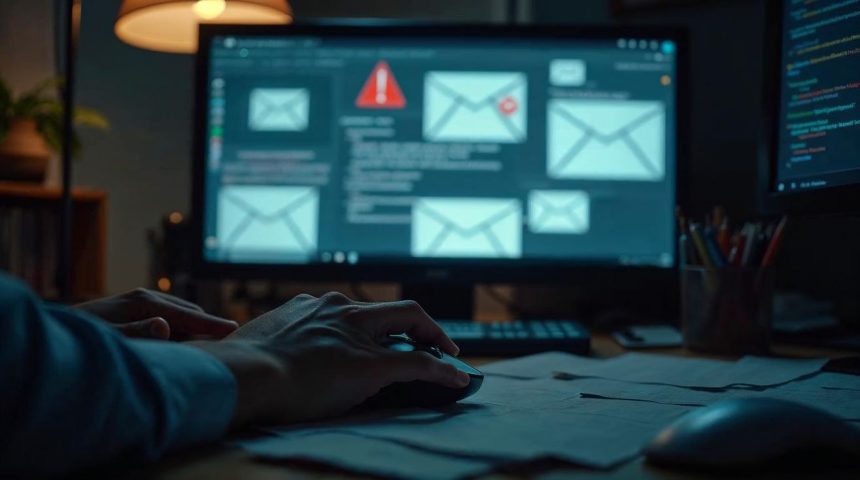
In today’s digital age, where our lives are intertwined with technology, spotting phishing attempts and social engineering tactics has become a crucial skill. But let’s face it, these cyber tricks can often be more sophisticated than we’d like to admit. Have you ever experienced that sinking feeling when you realize an email wasn’t from who you thought it was? It’s unnerving, and honestly, it happens more often than you’d think.
Understanding the Basics of Phishing
Phishing is a term that gets thrown around a lot, but what does it really mean? At its core, it’s a method used by cybercriminals to steal your personal information – think passwords, credit card numbers, and even your identity. They do this by pretending to be a trustworthy source, like a bank or a popular website. And here’s the kicker: these fake messages can look incredibly convincing.
According to a report by the FBI, phishing was the most common type of cybercrime in 2022. What does this mean for you? It means you need to be extra vigilant. If you receive an email that seems off, take a moment to scrutinize it. Does the logo look a little fuzzy? Is the email address slightly misspelled? These are red flags that shouldn’t be ignored.
Recognizing Social Engineering Tactics
Social engineering goes beyond phishing. It’s about manipulation – getting you to do something you wouldn’t normally do. Cybercriminals might pose as someone you know or trust, and they can be incredibly persuasive. Imagine receiving a call from “tech support” claiming there’s an issue with your computer. They sound professional, knowledgeable, and convincingly urgent. Before you know it, you’ve granted them access to your system.
A study conducted by Kaspersky revealed that social engineering plays a role in 90% of all cyberattacks. It’s a startling statistic, and it underscores the importance of being aware and cautious. Next time you receive an unexpected request, pause. Ask yourself: does this feel right? If there’s even a hint of doubt, double-check.
Common Signs of Phishing Attempts
So, how do you protect yourself? Start by looking out for common signs of phishing. For one, be wary of emails with urgent requests for personal information. Scammers love to create a sense of urgency to catch you off guard. Also, watch out for generic greetings like “Dear Customer.” If a company knows you, they should address you by name, right?
Another tip is to hover over any links before clicking them. This simple action can reveal if the URL matches where it’s supposedly directing you. And here’s a pro tip: if an offer seems too good to be true, it probably is. A free iPhone? A huge lottery win you never entered? These are classic bait-and-switch schemes.
Steps to Protect Yourself
Now, let’s talk about taking action. First and foremost, always double-check the source of any communication. If you’re unsure about an email from your bank, call them using the number on their official website, not the one in the email. It might seem like a hassle, but it’s worth the peace of mind.
Next, keep your software updated. Cybercriminals often exploit vulnerabilities in outdated software. By keeping everything up to date, you’re closing off potential entry points. And don’t underestimate the power of a strong, unique password. It’s one of the simplest and most effective ways to protect your accounts. Consider using a password manager to keep things organized and secure.
Lastly, educate yourself and others. Share what you’ve learned about phishing and social engineering with friends and family. The more people know, the harder it becomes for cybercriminals to succeed.
Your Role in Cybersecurity
At the end of the day, we all play a role in cybersecurity. While technology companies are constantly working to improve security measures, our vigilance is the first line of defense. So, next time an email or message makes you pause, trust that instinct. It’s better to be cautious and safe than to regret a hasty decision.
And here’s a small challenge for you: next time you receive a suspicious email, take a moment to verify it before clicking anything. Share this article with a friend. You might just save them from falling into a trap. Let’s spread awareness and keep each other safe!