

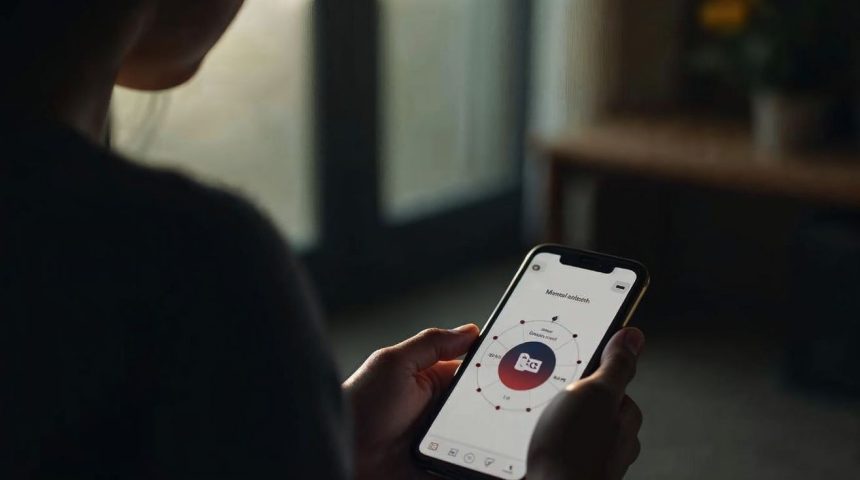
In a world where our smartphones have become extensions of ourselves, mental health apps are booming, offering promises of serenity and self-awareness. But there’s a twist—these apps now face increasing scrutiny over privacy practices. It’s a tale of convenience clashing with caution, where the stakes are as personal as they come. What happens when your innermost thoughts are just a tap away from being shared?
The Rise of Mental Health Apps
The allure of mental health apps is undeniable. With just a few taps, users can access tools for meditation, mood tracking, and even therapy sessions. It’s a modern-day refuge for those seeking mental wellness without the stigma or hassle of traditional therapy. In fact, according to a Statista report, the number of mental health app downloads reached a staggering 1.2 billion globally in 2020.
But, with great power comes great responsibility—or at least it should. The convenience of these apps is their greatest asset, yet it also becomes their most significant vulnerability. As users pour their emotional data into these digital platforms, concerns arise about how this sensitive information is managed.
Privacy Concerns in a Digital Age
It’s no secret that data privacy has become a hot-button issue. For mental health apps, the stakes are even higher. Users aren’t just sharing what they ate for lunch; they’re divulging their deepest fears, their anxieties, and their hopes. And honestly, it’s surprising—really surprising—how many of these apps don’t have robust privacy measures in place.
Recent investigations have highlighted how some apps have been caught sharing user data with third parties. Is your private confession meant for a therapist’s ears now fodder for a marketer’s strategies? It’s a chilling thought. A Federal Trade Commission report recently shed light on such practices, emphasizing the need for stricter regulations.
Balancing Innovation and Regulation
So, where’s the balance? How do we ensure innovation doesn’t outpace regulation? Mental health apps operate in a legal gray area, where existing health privacy laws like HIPAA often don’t apply. It’s the kind of detail people shrug at… until they don’t.
Regulatory bodies are starting to take notice, with discussions about new legislation to protect users. But as with any regulatory process, it moves at a snail’s pace compared to the lightning speed of tech development. Meanwhile, users are left in a precarious position, forced to weigh the benefits of these apps against potential privacy risks.
Navigating the Future
What does the future hold for mental health apps? For starters, transparency is key. Users deserve to know exactly how their data is being used and who has access to it. Companies that prioritize user trust will likely stand out in an increasingly crowded market. It’s not just about offering the latest features; it’s about ensuring those features are safe and secure.
Moreover, developers must engage with mental health professionals to ensure their apps are not only effective but ethical. The integration of clinical expertise can bridge the gap between innovation and responsibility, ensuring these digital tools genuinely support mental well-being.
In conclusion, as we navigate this digital landscape, it’s crucial not to lose sight of the human element. After all, mental health is deeply personal, and the tools designed to support it should reflect that intimacy and care. If you’re a user or developer, stay informed, ask questions, and demand the highest standards. Together, we can ensure that as mental health apps evolve, they do so with integrity and empathy.