The Clearview AI controversy is one of those modern-day dilemmas that seems to tug at the very fabric of our ethical considerations. It’s a topic that has sparked debates from tech forums to dinner tables. But what is it about facial recognition technology that has people so divided? And why does Clearview AI find itself at the center of this storm?
The heart of the issue lies in the intersection of privacy and security. On one hand, the technology promises enhanced safety and the ability to quickly identify individuals, potentially preventing crime and even terrorism. On the other hand, it raises critical questions about individual privacy and the potential for misuse. It’s a classic case of a double-edged sword — one that demands a careful balancing act.
The Rise of Facial Recognition Technology
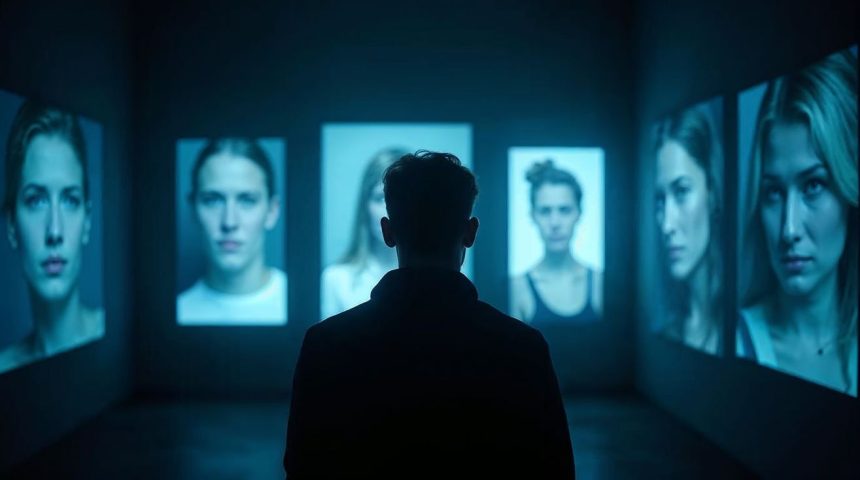
Facial recognition technology has surged in popularity over the last decade. Its applications are as varied as they are impressive: from unlocking smartphones to streamlining airport security. However, the ubiquity of this technology has also led to its fair share of controversies. Companies like Clearview AI have developed sophisticated systems capable of identifying individuals in seconds. This is achieved by scouring billions of images from social media and other online platforms.
The problem? Many argue that this is an egregious invasion of privacy. In fact, a study by the Georgetown University Law Center found that over half of American adults are part of facial recognition databases, often without their consent. It’s a statistic that makes you pause — how many of us are unknowingly part of this digital catalog?
Clearview AI’s Role in the Controversy
Clearview AI has become a focal point in the debate over facial recognition ethics. The company’s technology is reportedly used by numerous law enforcement agencies worldwide, raising eyebrows and questions about how data is collected and used. According to a report by The New York Times, Clearview’s database includes over three billion images taken from platforms like Facebook and YouTube.
Critics argue that such practices are not only invasive but also lack transparency. The public is largely unaware of when and how their images are being used. This lack of consent fuels the debate — and honestly, it’s surprising just how little control individuals have over their own digital likenesses.
Ethical Implications: Where Do We Draw the Line?
The ethical implications of facial recognition technology are profound. At its core, the debate revolves around the balance between safety and privacy. Proponents argue that the technology can be a force for good, aiding in the quick identification of suspects and missing persons. However, detractors highlight potential abuses, such as surveillance without consent and the risk of false positives leading to wrongful arrests.
There’s also the concern of bias. Studies, like one conducted by the MIT Media Lab, have shown that facial recognition systems can be less accurate for people of color, women, and younger individuals. This discrepancy not only raises questions about the technology’s fairness but also its potential to perpetuate existing societal biases.
Regulating Facial Recognition for the Future
As the debate rages on, many are calling for stricter regulations. Some lawmakers propose moratoriums on the technology until clear guidelines can be established. Others suggest a more nuanced approach, advocating for transparency and accountability in how facial recognition systems are deployed.
Public sentiment is also shifting. A survey by the Pew Research Center found that a majority of Americans support restrictions on how law enforcement uses facial recognition technology. It’s a clear signal to policymakers that action is needed — but what form will that action take?
The future of facial recognition technology, and companies like Clearview AI, will likely depend on the development of robust ethical frameworks. The goal? To harness the benefits of the technology without compromising individual rights.
As we stand at this crossroads, the question remains: how do we ensure that facial recognition technology is used responsibly? It’s a question that needs answering, and soon.
So, what’s your take on facial recognition and privacy? Whether you’re a tech enthusiast or concerned citizen, your voice matters in shaping the future of this technology. Let’s keep the conversation going.