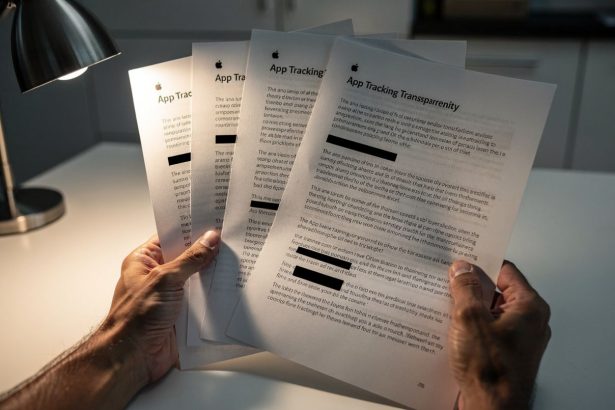


In a world where every swipe and tap on your phone could sway political opinion, it’s no wonder we’re all a little on edge. Remember when Cambridge Analytica made headlines? That scandal was a wake-up call, showing just how much our data could be used to influence our decisions. Fast forward a decade, and the landscape has shifted dramatically. Social media platforms, especially TikTok, are now the battlegrounds for political influence, and it’s a fascinating evolution to unpack.
The Cambridge Analytica Shockwave
Back in 2018, Cambridge Analytica became synonymous with data misuse. It was a scandal that shook public trust in social media. The firm had harvested data from millions of Facebook users without consent, using it to target political ads that could sway votes. The impact was significant. According to a BBC report, the scandal led to a widespread examination of privacy policies and heightened awareness about data security. But beyond the headlines, it made people realize just how vulnerable they were to manipulation.
What really stood out was the sheer scale of influence. It wasn’t just about ads, but the creation of tailored messages that resonated deeply with individual users. Political campaigns had found a new, powerful tool. And honestly, it’s surprising—really surprising—how fast it all happened. This wasn’t just a lesson in data ethics; it was a turning point in how political strategies were crafted.
Enter TikTok: A New Playground
Fast forward to today, and TikTok has emerged as a major player in the world of political influence. With its short, engaging videos, TikTok captivates millions daily, making it an ideal platform for spreading political messages. But it’s not just about the content; it’s about the platform’s unique algorithm. Unlike traditional social media, TikTok’s algorithm is designed to promote content that fits a user’s interests, making it incredibly effective for reaching specific demographics.
Political campaigns have caught on quickly. They’ve started to create content that feels organic, blending seamlessly with the entertainment and creativity that TikTok is known for. But there’s a catch. Unlike platforms like Facebook, TikTok’s younger audience is more attuned to spotting inauthentic content. So, political influencers need to strike a delicate balance, creating content that is both engaging and genuine.
The Power of Micro-Influencers
One intriguing aspect of TikTok’s influence is the rise of micro-influencers. These are individuals with smaller, but highly engaged followings. They can sway opinions more subtly than their celebrity counterparts. The reason? Their followers see them as relatable and trustworthy. According to a Forbes article, brands and political campaigns alike are tapping into this trend to reach niche audiences more effectively.
Micro-influencers possess an authenticity that can be hard to find in larger-scale campaigns. Their content often feels like a conversation with a friend rather than a marketing pitch. And yes, it happens more often than you’d think—scrolling through TikTok, you’re likely to encounter political messages wrapped in everyday content. It’s the kind of detail people shrug at… until they don’t.
Challenges and Ethical Concerns
With great power comes great responsibility, right? The evolution of political influence through platforms like TikTok raises significant ethical questions. How do we ensure that users aren’t being manipulated? What’s the line between influence and intrusion? These questions don’t have easy answers. The rapid pace at which technology evolves often outstrips our ability to regulate it effectively.
Moreover, there’s the issue of transparency. Users deserve to know when they’re being targeted with political content. But the algorithms that drive platforms like TikTok are notoriously opaque. Regulators are playing catch-up, striving to implement guidelines that protect users without stifling innovation.
Embracing the Future
As we look ahead, one thing is clear: the role of social media in politics will only grow. New platforms will emerge, each with its own potential to influence and engage. For users, staying informed and critical will be key. For platforms, the challenge will be to balance engagement with ethical responsibility.
So, where do we go from here? Perhaps the best approach is to remain vigilant yet open-minded. Let’s continue the conversation, explore these new digital landscapes, and, most importantly, stay informed. After all, in this rapidly changing world of political influence, knowledge isn’t just power—it’s everything.
And hey, next time you open TikTok or any other social media app, why not pause for a moment? Ask yourself: who’s really in control of the content you’re seeing? It’s a small step, but an important one, in navigating the complex web of political influence in the digital age.