
In the age of digital connectivity, where information zips through the ether at breakneck speed, something unsettling creeps beneath the surface. It’s voter suppression, but not as you’d expect. Instead of shadowy figures at the polling stations, it’s the insidious whisper of targeted disinformation campaigns. These campaigns are engineered with precision to mislead, confuse, and ultimately, silence voices that could sway an election.
The Digital Age of Disinformation
The modern battleground isn’t a physical space but a virtual one. In recent years, we’ve seen a marked increase in how disinformation campaigns are tailored to specific demographics. According to a report by the Brookings Institution, these campaigns often target minority groups, exploiting existing societal divides. It’s a chilling strategy, really. Imagine waking up to a barrage of misleading ads or posts on social media, each crafted to instill doubt about your right to vote or the act of voting itself.
How Do These Campaigns Work?
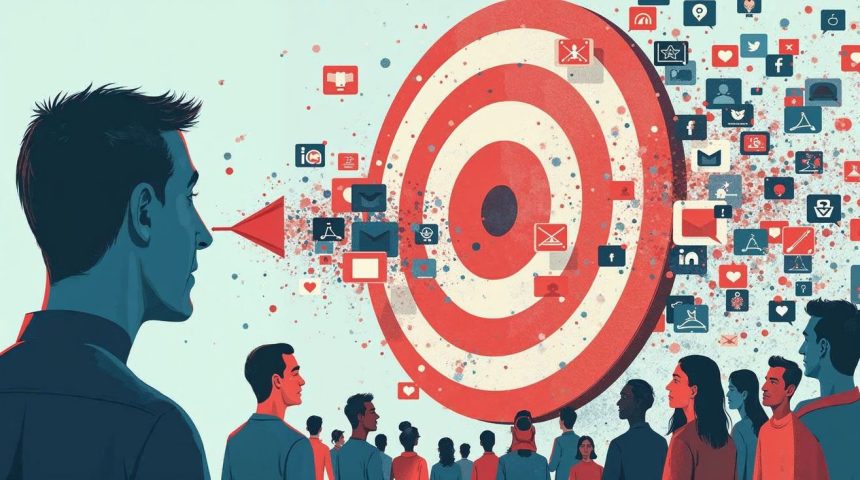
You might wonder how these disinformation efforts manage to hit their mark so accurately. At the heart of it lies data—huge swathes of data about browsing habits, political preferences, and even the types of cookies you prefer. The architects of these campaigns use sophisticated algorithms to identify vulnerable segments of the population. Once identified, these individuals are bombarded with false information designed to either dissuade them from voting or mislead them about the voting process.
A common tactic involves spreading false claims about voter ID requirements or changing polling locations at the last minute. Sometimes, it’s even more sinister, with messages suggesting that voting could lead to dire consequences. And yes, it happens more often than you’d think.
The Real-World Impact
The consequences of these campaigns are far from theoretical. In the 2020 U.S. Presidential election, for instance, there were numerous reports of disinformation targeting African American and Latinx communities. According to a study by the NPR, these groups received a disproportionate amount of misleading content, which had a tangible effect on voter turnout.
It’s not just a matter of numbers. When people feel their voice doesn’t matter or that the system is rigged against them, it breeds a kind of disillusionment that’s hard to shake. And honestly, it’s surprising—really surprising—how effective these efforts can be.
Combating the Tide
So, what can be done to counteract this wave of digital deceit? Education, for one, is crucial. People need to be equipped to recognize disinformation when they see it. Initiatives are springing up around the country aimed at improving digital literacy, teaching individuals how to discern fact from fiction.
Moreover, tech companies themselves have a role to play. Platforms like Facebook and Twitter have started to implement stricter controls and fact-checking measures, but the question remains: is it enough? It’s the kind of detail people shrug at… until they don’t.
Governments and non-profit organizations are also stepping up their efforts. They’re working to protect voter rights by monitoring and exposing disinformation campaigns. However, the battle is ongoing, and success requires a concerted effort from all sectors of society.
A Call to Vigilance
As we move forward, staying informed and vigilant is more critical than ever. We must question the messages we receive and dig a little deeper to ensure we’re not being led astray by cleverly crafted lies. It’s about more than just voting; it’s about safeguarding the very foundation of our democracy.
In the end, every vote matters, and every voice deserves to be heard. So, let’s stay curious, stay informed, and ensure that our rights aren’t quietly eroded by the silent but potent force of disinformation. Your contribution can make a difference—whether it’s sharing reliable information, engaging in conversations, or simply making sure your own vote is cast and counted. Let’s keep our democracy vibrant and inclusive for all.