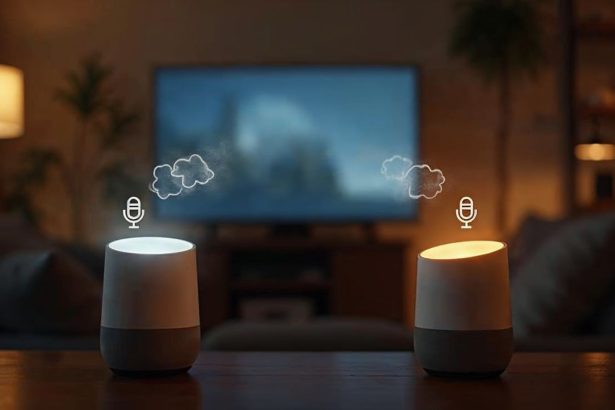

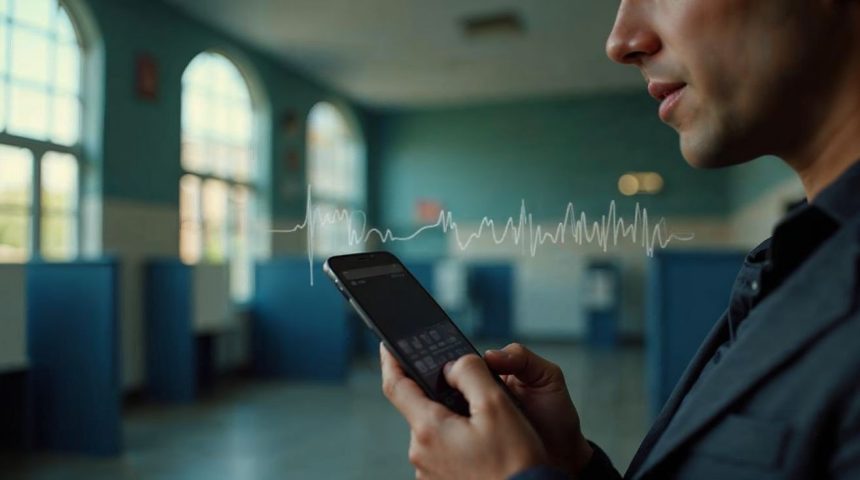
Imagine picking up your phone and hearing a voice that sounds almost human, yet there’s something just a bit off. It’s an automated call, urging you to vote in a certain way in an upcoming election. These AI-generated robocalls are becoming increasingly sophisticated, and they pose a significant threat to election integrity. As technology advances, the line between human and machine blurs, raising concerns about the influence these calls could have on democratic processes.
The Rise of AI-Generated Robocalls
In recent years, the proliferation of AI technology has transformed the way political campaigns operate. Once a tool for targeted advertising, AI is now being used to create robocalls that can mimic human speech with uncanny accuracy. These calls can deliver tailored messages to specific demographics, making them a powerful tool for influencing voters. According to a report by the FCC, the number of robocalls has skyrocketed, with billions of calls made annually in the U.S. alone. It’s a staggering figure, and one that highlights the growing challenge of managing this technology.
The Impact on Voter Behavior
So, how exactly do these AI-generated robocalls affect voters? Well, they can be incredibly persuasive. By using data analytics, campaigns can craft messages that resonate with individual voters’ beliefs and concerns. Imagine receiving a call that addresses your specific worries about healthcare or education. It’s personal, and it feels genuine. But here’s the catch: these calls can also spread misinformation. In fact, some robocalls have been known to provide false information about voting times or locations, deliberately attempting to suppress voter turnout.
Challenges in Regulating Robocalls
Regulating this new wave of AI-generated robocalls is no easy feat. The technology is evolving faster than the laws designed to control it. Currently, the Federal Trade Commission (FTC) and the FCC are the primary bodies responsible for regulating robocalls in the U.S. They have implemented measures to combat illegal calls, but the sheer volume and sophistication of AI-generated calls make enforcement challenging. Moreover, the international nature of some of these operations complicates matters further, as calls can be initiated from overseas, beyond the reach of U.S. regulators.
Protecting Election Integrity
Election integrity is the cornerstone of democracy, and protecting it requires a multi-faceted approach. Public awareness is critical. Voters need to be informed about the potential for deception in political robocalls. Educational campaigns can help individuals identify suspicious calls and report them to the authorities. Additionally, collaboration between technology companies and governments is essential to develop tools that can detect and block malicious robocalls. A National Geographic article highlights how AI can also be used to fight back, developing algorithms capable of identifying and filtering out these intrusive calls.
The Human Element
But let’s not forget the human element in all this. While technology plays a crucial role, it is ultimately up to voters to remain vigilant. Critical thinking and a healthy dose of skepticism are invaluable tools in discerning fact from fiction. After all, no AI, no matter how advanced, can substitute the intuition and judgment of a human being. So, the next time you receive a call urging you to vote a certain way, take a moment to question its authenticity. Is it really a person on the other end, or just a cleverly programmed machine?
In the end, protecting our elections from the influence of AI-generated robocalls requires a collective effort. By staying informed and engaged, we can ensure that our democratic processes remain fair and transparent. So, let’s work together to safeguard what truly matters. Your voice and your vote make a difference — let’s keep it that way.