

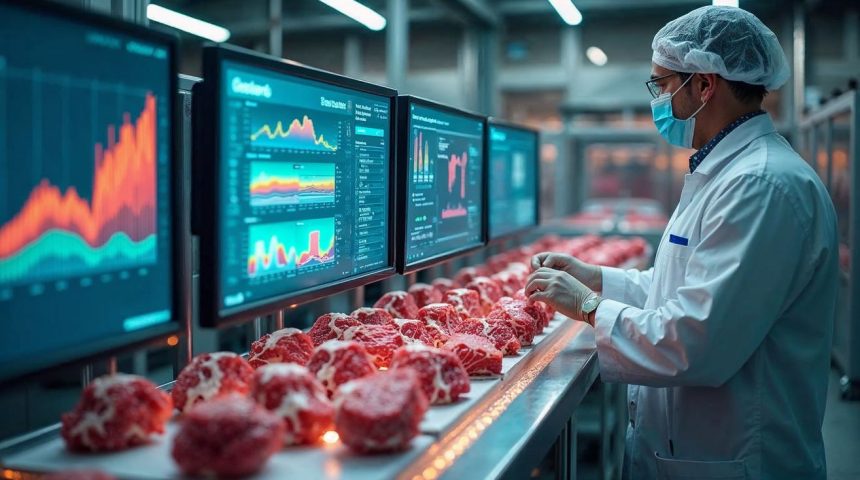
The future is here, and it’s not just on our plates—it’s in our labs. The rise of lab-grown meat is reshaping how we think about food production, and with it comes a fascinating array of data implications. If you’ve ever pondered the journey of your meal from creation to consumption, you’re not alone. But have you considered the digital trail it leaves behind?
This burgeoning industry is more than a culinary revolution. It’s a data-rich tapestry that could transform everything from supply chain logistics to environmental impact assessments. Let’s dive in and discover the unexpected complexities of these new-age supply chains.
Data at the Heart of Lab-Grown Meat
At its core, lab-grown meat utilizes cutting-edge technology to create a product that mimics traditional meat. But what does that mean for data? To start with, the entire process—from cell collection to cultivation and distribution—generates a wealth of information. This data is crucial for ensuring quality, consistency, and, ultimately, consumer trust.
Imagine the meticulous records of cell growth conditions, nutrient supplies, and even temperature variations. Each parameter must be precisely monitored, creating a rich dataset that guarantees the end product meets stringent standards. And, honestly, it’s a level of scrutiny that traditional farming could only dream of achieving.
Supply Chain Transparency and Traceability
One of the most significant advantages of lab-grown meat is the potential for unprecedented supply chain transparency. Every step of the process is digitally documented, allowing for real-time tracking and traceability. For consumers, this means a new level of transparency about where their food comes from and how it’s made.
This transparency extends beyond consumer interest. Regulatory bodies and environmental agencies can utilize this data to ensure compliance and assess the environmental impact of production. For instance, a study by the Journal of Cleaner Production highlights how lab-grown meat could potentially reduce greenhouse gas emissions compared to conventional meat production.
Challenges in Data Management
Yet, with great data comes great responsibility—or at least, challenges. Managing the vast amounts of information generated by lab-grown meat production is no small feat. From storage to analysis, companies must develop robust systems to handle this influx of data. And then there’s the issue of security. Protecting sensitive information from cyber threats is paramount, as breaches could have serious implications for both business and consumer safety.
Moreover, the integration of this data into existing food industry systems presents another layer of complexity. It’s not just about collecting data but making it usable—ensuring it can seamlessly fit into the broader food ecosystem. The need for interoperable systems is more critical than ever.
The Role of Artificial Intelligence
Enter artificial intelligence (AI), the unsung hero of modern data management. AI can analyze vast datasets with an efficiency that far surpasses human capability. In the context of lab-grown meat, AI can help identify patterns and optimize processes, leading to improved product quality and reduced waste.
For instance, AI algorithms can predict the best conditions for cell growth or identify potential supply chain disruptions before they occur. It’s a fascinating marriage of technology and biology, one that has the potential to revolutionize not just lab-grown meat but the entire food industry. And yes, it’s happening faster than many of us realize.
Environmental and Ethical Implications
Beyond the technicalities, there lies a deeper narrative—the environmental and ethical implications of lab-grown meat. By reducing reliance on traditional livestock farming, this innovation promises to decrease land and water usage, not to mention the potential reduction in animal suffering. A report by the National Institutes of Health underscores the ethical advantages, highlighting a move towards more humane food production practices.
But, as with any innovation, there are debates. Some critics argue about the potential loss of rural livelihoods or the unforeseen ecological impacts of large-scale lab-grown meat production. It’s a conversation that’s as dynamic as the technology itself, and one that will continue to evolve as the industry matures.
In the end, the data implications of lab-grown meat supply chains are as complex as the science behind them. It’s a story of innovation, challenge, and promise—a glimpse into a future where technology and nature coexist in harmony.
So, next time you’re at the dinner table, take a moment to ponder not just what’s on your plate, but the invisible journey it undertook to get there. And as we navigate this brave new world, stay curious, stay informed—and maybe even try a bite of the future.