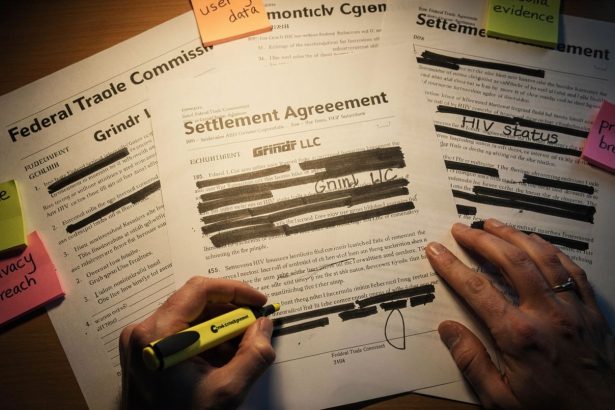


The air is thick with debate as countries around the world grapple with the introduction of voter ID apps. While the promise of streamlined elections and enhanced security is alluring, the potential privacy pitfalls are causing quite a stir. How much should we be willing to trade for a convenient tap on our screens?
The concept of mandatory voter ID apps is gaining traction. It’s not hard to see why: imagine the ease of accessing your voting credentials through a simple app, reducing the need for paper-based systems. Yet, as with many technological advancements, there’s a catch. These apps, while potentially efficient, come with a host of privacy concerns that are hard to ignore.
The Allure of Convenience
For many, the idea of voting via an app is undeniably appealing. In an era where digital solutions have become second nature, the thought of ditching cumbersome paper IDs for a sleek app feels almost inevitable. Moreover, the promise of increased voter participation looms large. If voting becomes as easy as swiping a screen, wouldn’t more people be inclined to do it?
But here’s the rub: with great convenience comes great responsibility. Or rather, a demand for it. As these apps roll out, questions about data security and user privacy are bubbling to the surface. How much personal information is too much for an app to handle?
Unveiling the Privacy Concerns
At the heart of the matter lies a significant worry: data privacy. As voter ID apps collect sensitive information, from birth dates to addresses, the risk of data breaches increases. And let’s face it, in today’s world, cyber threats are not just a possibility — they’re practically a certainty. According to a report from CSO Online, data breaches have become alarmingly common, affecting millions globally.
Furthermore, there’s the issue of surveillance. With apps tracking when and where votes are cast, the potential for misuse of this data is unsettling. Could it lead to voter profiling? What about targeted political advertising? The slippery slope seems all too steep.
The Security Measures Debate
Proponents of voter ID apps argue that security measures can mitigate these risks. Encryption, for instance, is often touted as the shield against unauthorized access. But, here’s a reality check: even the best encryption is not foolproof.
Critics are quick to point out that no system is invulnerable. And if there’s a breach, the repercussions could be vast. Imagine a scenario where a hacker gains access to a database of voter information. The potential damage to democratic processes could be profound.
Moreover, there’s the question of who oversees these apps. Should governments have the final say, or should independent bodies be involved? It’s a debate that’s as complex as it is critical.
A Look at Global Perspectives
Different countries are approaching this issue in varied ways. Estonia, for example, has been at the forefront, offering internet voting since 2005. Their system relies heavily on layered security measures and has generally been successful. However, it’s worth noting that Estonia’s population is considerably smaller than that of many other nations, which might make their model difficult to replicate on a larger scale.
Meanwhile, in the United States, the conversation is still evolving. The sheer size and diversity of the electorate mean that a one-size-fits-all solution is unlikely. Additionally, the political landscape adds another layer of complexity, with opinions divided sharply along party lines.
Striking the Right Balance
So, where does this leave us? It’s a delicate balancing act. On one hand, the benefits of digital voting are clear: accessibility, efficiency, and the potential for increased engagement. On the other hand, the risks are real and cannot be overlooked.
Stakeholders, from tech companies to policymakers, need to work collaboratively to ensure that privacy protections are robust and transparent. And perhaps most importantly, voters themselves must be informed and vigilant. After all, an informed electorate is the best defense against misuse and overreach.
In the end, the decision to embrace voter ID apps should not be taken lightly. It requires careful consideration, ongoing scrutiny, and, above all, a commitment to safeguarding the principles of democracy.
And now, over to you. What are your thoughts on voter ID apps? Are you ready to embrace them, or do the privacy concerns give you pause? Join the conversation and let your voice be heard.