

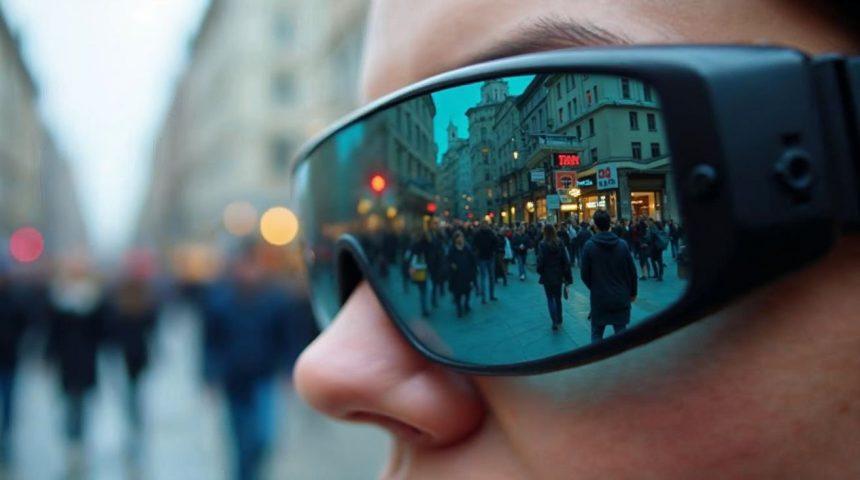
The moment you slip on a pair of augmented reality glasses, you’re stepping into a world that blends the virtual with the real. But as exciting as this technology is, there’s a catch—one that might make you pause. Imagine every move you make, every glance you take, being captured and possibly shared. Yes, that’s the hidden side of augmented reality glasses, and it’s raising some serious privacy challenges. Are we ready for this brave new world?
Understanding the Technology
Augmented reality glasses are like a wizard’s spectacle, overlaying digital images onto the real world, offering users a new dimension of interaction. Whether it’s navigating a city or gaming in your living room, the possibilities are endless. But here’s the kicker: these glasses often come with built-in cameras and microphones. They can record video, capture audio, and snap photos. It’s an innovation that feels magical, yet a bit intrusive.
This technology is rapidly advancing. According to a Statista report, worldwide spending on AR and VR is expected to reach $72.8 billion by 2024. That’s a staggering number, reflecting how quickly these devices are becoming mainstream. But with such growth, the question of data security and privacy looms larger than ever.
The Privacy Dilemma
When wearing these glasses, users are often unknowingly collecting data. It’s not just the wearer’s data; it’s everyone around them. Imagine walking down a street and having your face captured without your consent. That’s the reality, and privacy advocates are concerned. They argue that these devices could lead to a society where constant surveillance becomes the norm.
Moreover, there’s the issue of data storage. Where does all this information go? Many companies claim they store data securely, but breaches happen. Remember the infamous Facebook data scandal? It taught us that even the biggest companies can have vulnerabilities. And when it comes to augmented reality glasses, the stakes are equally high.
Regulations and Ethical Concerns
Currently, regulations around augmented reality glasses are still catching up with the technology. In some regions, wearing these glasses in public spaces is already causing legal headaches. What happens when someone records a private conversation without consent? The lines are blurred, and lawmakers are scrambling to draw them clearly.
Ethical considerations also come into play. Should there be a visual indicator when the glasses are recording? Or should they be banned in certain areas altogether? These are questions that need answers—and soon. As ethics in technology become a hot topic, companies are under increasing pressure to address these concerns proactively.
Public Perception and Responsibility
Public perception of augmented reality glasses is a mixed bag. While tech enthusiasts are excited, others are wary, and for good reason. There’s a growing sense of unease about being watched, even if it’s benign. The responsibility lies not just with the developers but with users as well. Being aware of one’s surroundings and respecting others’ privacy is crucial.
It’s essential to have an open dialogue about these concerns. Engaging with the community, listening to their fears and suggestions, can lead to more responsible use of this technology. After all, trust is the cornerstone of any technological advancement. Without it, even the most revolutionary inventions can falter.
What Lies Ahead?
As we look to the future, the question remains: How can we balance innovation with privacy? It’s a delicate dance, and one that requires careful consideration. Perhaps the answer lies in transparency and accountability. By ensuring that users know exactly how their data is being used and stored, companies can build trust and pave the way for broader acceptance.
In the end, augmented reality glasses are here to stay. They offer incredible opportunities, but not without challenges. As we continue to explore this burgeoning field, let’s do so with our eyes wide open, ready to embrace both the magic and the responsibility.
Curious about how you can protect your privacy in this digital age? Start a conversation with friends, share this article, and let’s navigate this exciting yet challenging landscape together.