
The Science Behind Viral Misinformation
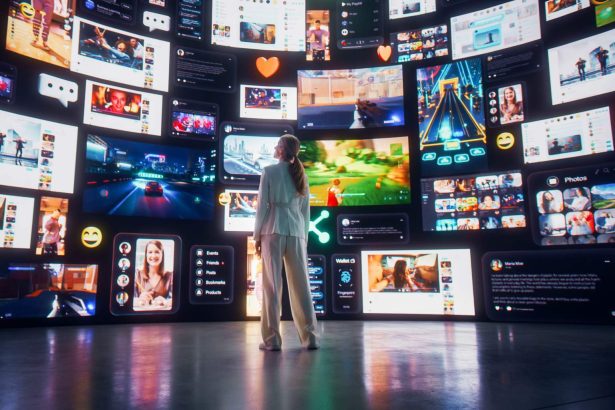
It’s a dizzying feeling, isn’t it? One moment you’re scrolling through your feed, and the next, you’re caught in a whirlwind of misinformation. How do these falsehoods spread so quickly? And why do they seem to stick in our minds more than the truth? If you’ve ever wondered about the mechanics behind viral misinformation, you’re not alone. It’s a complex dance of psychology, technology, and sometimes, just plain curiosity.
The Role of Cognitive Biases
Ever heard of the term “cognitive bias”? It’s a fancy way of saying our brains sometimes take shortcuts that aren’t always accurate. These biases can make us more susceptible to misinformation. For instance, the confirmation bias is a big player here. We tend to seek out information that confirms what we already believe, brushing off conflicting data. It’s the reason why a piece of misinformation that aligns with our views can seem so convincing, even when it’s utterly false.
Another culprit is the availability heuristic, where we judge the likelihood of events based on how easily examples come to mind. If everyone is talking about a particular piece of news, we might assume it’s true just because it’s everywhere. Our brain is wired to trust what’s familiar — a trait that’s often exploited by purveyors of misinformation.
The Rapid Spread Through Social Media
Social media platforms are like a petri dish for misinformation. They provide the perfect environment for these untruths to multiply and spread. According to a study published in Nature, false information spreads faster than the truth on platforms like Twitter. The reason? Emotional content tends to get more attention — and misinformation is often crafted to provoke strong reactions.
Think about it: when was the last time you shared a mundane piece of news? Probably not often. But a scandalous or shocking headline? That’s hard to resist. The algorithms behind these platforms are designed to keep us engaged, often prioritizing content that generates more clicks and shares, regardless of its accuracy.
Understanding the Psychological Impact
It’s not just about how misinformation spreads; it’s also about how it affects us. The psychological impact can be profound. When exposed to repeated claims, whether true or false, we tend to believe them more — a phenomenon known as the illusory truth effect. This is why a viral piece of misinformation can be so damaging; the more we see it, the more we might subconsciously accept it as fact.
Moreover, misinformation can lead to real-world consequences. From influencing election outcomes to affecting public health, the stakes are incredibly high. Just consider the widespread myths about vaccines that have caused real harm by deterring people from getting vaccinated. The ripple effects are, frankly, quite staggering.
Combating Misinformation: What Can We Do?
So, what can we do to combat this pervasive issue? It starts with education and critical thinking. Encouraging people to question the credibility of sources and to verify information before sharing can make a huge difference. Websites like Snopes and FactCheck.org are invaluable resources for debunking false claims.
Additionally, technology companies are stepping up by implementing measures to flag or remove misleading content. Facebook, for instance, has partnered with third-party fact-checkers to identify and label false information. It’s not a perfect system, but it’s a start.
One tool that’s gaining traction is the use of AI to detect and flag misinformation. Machine learning algorithms can analyze patterns and identify potential falsehoods before they spread too widely. However, this is a double-edged sword, as AI can also be used to create sophisticated fake content — a challenge that researchers are actively working to address.
Looking Ahead
The fight against misinformation is ongoing, and honestly, it’s a battle that requires all hands on deck. From individual actions to technological advancements, every effort counts. As we navigate this digital landscape, remember to stay curious, ask questions, and most importantly, verify before you share. The truth is out there, but sometimes it needs a little help to shine through.
And speaking of shining through, why not take a moment to share this article with your friends? Let’s spread awareness — the right kind — and help each other stay informed in this fast-paced world.