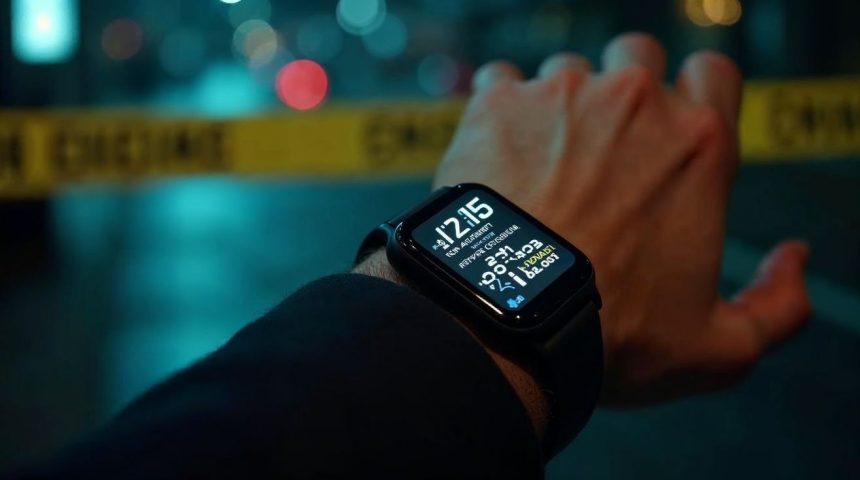
In a world where technology is interwoven into our daily lives, it’s fascinating—and perhaps a little unsettling—to see how it can also play a pivotal role in solving crimes. Imagine your fitness tracker, a device you wear to improve your health, becoming a key piece of evidence in criminal investigations. But that’s exactly what’s happening. With the increasing popularity of devices like Fitbits, law enforcement agencies have a new method for piecing together the details of a crime, sometimes providing insights that are more precise than the human memory.
The Role of Fitbit in Crime Solving
You might wonder, how can a fitness tracker help solve crimes? At first glance, it seems unlikely. Yet, these devices do more than count steps. They track heart rates, monitor sleep patterns, and log activity levels with surprising precision. In some cases, Fitbit data has helped law enforcement establish a timeline of events, or even pinpoint a suspect’s location at a specific time. According to a BBC report, Fitbit data has been instrumental in several high-profile cases, including murder investigations.
Real Cases: When Fitbit Data Made a Difference
Take, for instance, the case of Karen Navarra, a 67-year-old woman from California. Her death was initially believed to be a result of natural causes. However, the Fitbit on her wrist told a different story. The data revealed a sudden and sharp spike in heart rate, followed by an abrupt stop. This timeline helped investigators determine that Navarra’s death was not an accident, leading them to uncover the truth: it was a murder. Another example is the case where Fitbit data contradicted a suspect’s alibi, placing them at the crime scene when they claimed to be elsewhere. It’s the kind of detail that can make or break a case—and honestly, it’s surprising how often it happens.
Privacy Concerns and Ethical Considerations
While the use of Fitbit data in criminal investigations can be incredibly valuable, it also raises significant privacy concerns. Individuals may not be fully aware of how their personal data could be used—or misused—by authorities. The question of consent is crucial here. Should individuals be informed every time their data is accessed by law enforcement? And what are the safeguards against misuse? These are questions that are still being debated, and the answers aren’t straightforward. The balance between privacy and security is a delicate one, and opinions vary widely. A Wired article delves deeper into these ethical challenges, highlighting the complexity of the issue.
The Future of Wearable Tech in Law Enforcement
As technology continues to evolve, the potential for wearable tech in law enforcement is vast. We might see more sophisticated devices providing even more detailed data. Imagine a future where wearable tech not only tracks your physical activity but also your emotional state or stress levels. It sounds like science fiction, yet it’s within the realm of possibility. But with this potential comes responsibility. Law enforcement agencies will need to tread carefully, ensuring that they respect individuals’ rights while also using technology to its fullest potential to solve crimes.
So, what does this mean for you as a Fitbit wearer? It’s a reminder that our devices are more than just gadgets; they are repositories of personal data—data that could one day tell a story we never intended to share. If nothing else, it’s a fascinating intersection of technology and justice, and one that will likely continue to evolve in the coming years.
Curious about how your own devices could be used in unexpected ways? Or perhaps you’re passionate about the ethical implications of technology in law enforcement? Dive deeper, stay informed, and let’s keep the conversation going. After all, it’s a topic that concerns us all, whether we know it or not.