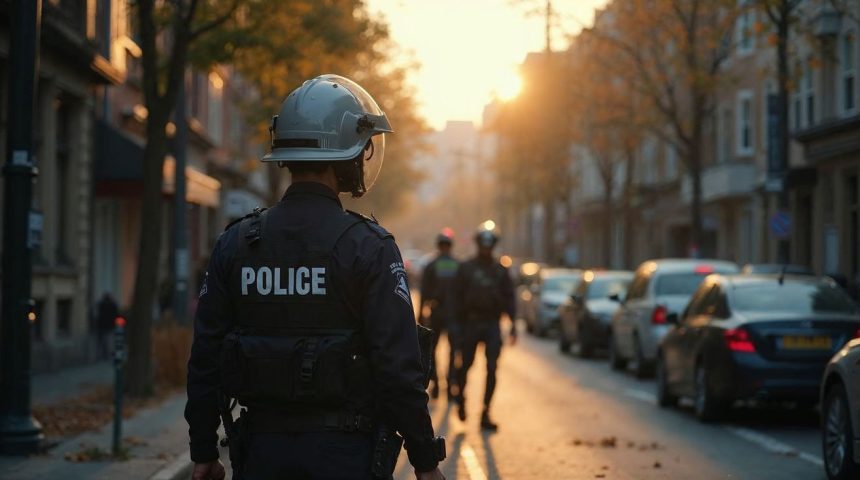
In a world increasingly shaped by technology, the idea of predictive policing sounds like a marvel straight out of a science fiction novel. Imagine a computer program deftly analyzing crime data, making sense of patterns, and predicting where the next incident might occur. It’s intriguing, isn’t it? But here’s the catch — while these algorithms promise efficiency, they might also be carrying a darker side, quietly infusing bias into the justice system.
The Promise and Pitfalls of Predictive Policing
Predictive policing is touted as a revolutionary tool, a way to use data to get ahead of crime. By analyzing historical crime data, these algorithms aim to help law enforcement agencies allocate their resources more effectively. The concept is simple: if you know where and when crimes are likely to happen, you can prevent them. But, and it’s a significant but, the reliance on past data raises a troubling question: Are we just perpetuating existing biases?
According to a Brookings Institution study, the data fed into these algorithms often reflect historical biases. If certain communities have been over-policed in the past, the algorithms might predict more crime in those areas, regardless of current realities. It’s a vicious cycle that can lead to increased surveillance and policing, further entrenching the very biases we aim to eliminate.
Algorithmic Bias: An Unseen Enemy?
Many of us trust algorithms to be neutral, objective — machines can’t be biased, right? Unfortunately, that’s not entirely true. Algorithms are created by humans, and they learn from data that might already be skewed. This means any underlying prejudices in the data are baked into the predictions they make. It’s a sobering thought: technology, which we often see as impartial, can inadvertently perpetuate the biases we’re striving to overcome.
A report by the American Civil Liberties Union (ACLU) highlights how these systems can disproportionately affect minority communities. The findings reveal that predictive policing can lead to a disproportionate number of stops and arrests in these areas, effectively criminalizing communities rather than individuals. It’s a reminder that in our quest for efficiency, we must not lose sight of fairness.
Real Life Implications: Stories from the Ground
Beyond the numbers and theories, it’s crucial to consider how predictive policing impacts real people. Take, for example, the case of a neighborhood in Los Angeles. Residents there reported feeling under constant watch, with patrol cars regularly patrolling their streets based on predictions made by algorithms. It’s the kind of constant surveillance that can erode trust between communities and law enforcement, making cooperation and community safety harder to achieve.
Moreover, there’s the emotional toll on individuals who feel targeted by these systems. Imagine, for a moment, being stopped by police repeatedly just because you live in a certain area. It’s not just about data; it’s about dignity and respect, things that no algorithm can measure.
The Road Ahead: Balancing Technology and Justice
So, where do we go from here? There’s no denying that technology will play a crucial role in the future of policing, but it’s vital to tread carefully. Transparency is key. Law enforcement agencies must be open about how they use these systems and the data that drives them. Communities should have a say — after all, they’re the ones living with the consequences.
Additionally, we need to invest in research that explores how to design algorithms that are both effective and fair. It’s a challenge, no doubt, but one worth pursuing. Imagine a world where predictive policing not only helps reduce crime but does so equitably, without bias or prejudice. It’s a vision worth striving for, but it requires commitment from all stakeholders involved.
As we stand at the crossroads of technology and justice, let’s remember that our ultimate goal is a fair and just society. Let’s use technology not as a crutch but as a tool to achieve that vision, mindful of its limitations and potential biases.
So, what do you think? Is predictive policing the future, or does it need a serious rethink? Share your thoughts and join the conversation. After all, justice isn’t just about laws and algorithms; it’s about people — and every voice matters.