
Imagine a world where your sunglasses can read your emotions. Sounds like science fiction, right? Well, it’s not. Emotion-detecting smart glasses are making their way into reality, and honestly, it’s both exciting and a little unnerving. These devices promise to revolutionize how we interact with technology, but they also raise significant privacy concerns that we can’t ignore. So, how do we navigate this brave new world?
Understanding Emotion-Detecting Technology
Emotion-detecting technology is not as futuristic as you might think. It leverages a mix of cameras, sensors, and artificial intelligence to read facial expressions and body language. These smart glasses can interpret your mood by analyzing subtle changes in facial muscles or even the dilation of your pupils. It’s fascinating — and, yes, a bit eerie — to think that a pair of glasses could know how you’re feeling just by looking at you.
According to a Forbes article, this technology is rapidly advancing and finding its way into various applications, from healthcare to customer service. But with great power comes great responsibility, and the potential for misuse is a real concern.
The Privacy Dilemma
The idea of a device that can read emotions raises a multitude of privacy issues. What happens to the data collected by these glasses? Who has access to it, and how is it being used? These are questions that demand answers. The potential for misuse is staggering — think targeted advertising that knows exactly when you’re feeling vulnerable or surveillance that tracks your emotional state in public spaces.
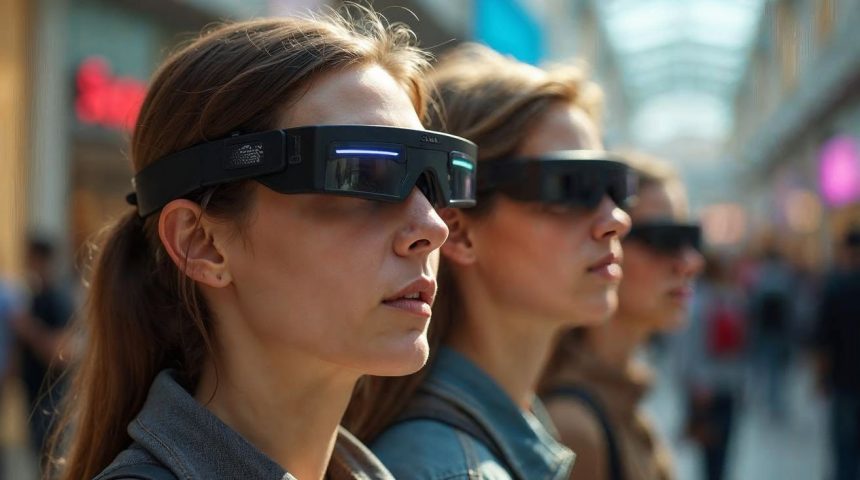
Privacy advocates are rightfully worried. The ability to monitor and analyze private emotional states could lead to unprecedented invasions of privacy. Imagine walking through a mall and having every store know exactly how you’re feeling. It’s a marketer’s dream — and a privacy nightmare.
The Ethical Considerations
There’s more to this than just privacy concerns. The ethical implications of emotion-detecting smart glasses are profound. How do we ensure that this technology is used ethically and responsibly? One possibility is stringent regulation to safeguard personal data, but implementing such measures is easier said than done.
There’s also the issue of consent. Should individuals have the ability to opt-out of emotion-detecting features in public spaces? And how do we handle the data of those who have not consented? These are ethical knots that society must untangle as this technology becomes more prevalent.
Looking to the Future
Despite these challenges, the potential benefits of emotion-detecting smart glasses are undeniable. In the healthcare industry, for instance, they could assist in diagnosing mental health conditions or monitoring patients’ emotional responses to treatment. According to a Healthcare IT News report, such innovations could revolutionize patient care by offering real-time insights into their emotional well-being.
However, balancing these benefits with privacy and ethical considerations is crucial. As we move forward, open dialogue and collaboration between technologists, ethicists, and policymakers will be essential in shaping the future of emotion-detecting technology. We must strive for a future where this technology enhances human experience without compromising our fundamental rights.
Embracing Technology with Caution
As we stand on the brink of this technological revolution, it’s essential to remember that while innovation is exciting, it’s not without its pitfalls. Emotion-detecting smart glasses could transform our world in unimaginable ways, but we must proceed with caution.
So, what can we do? Stay informed, engage in discussions, and advocate for responsible use of technology. Let’s ensure that as we embrace these advances, we don’t lose sight of what makes us human — our privacy, our ethics, and our right to feel without being monitored. After all, technology should serve us, not the other way around.
Curious to learn more about how technology is reshaping our lives? Keep exploring, stay engaged, and don’t hesitate to voice your thoughts on these groundbreaking developments.