
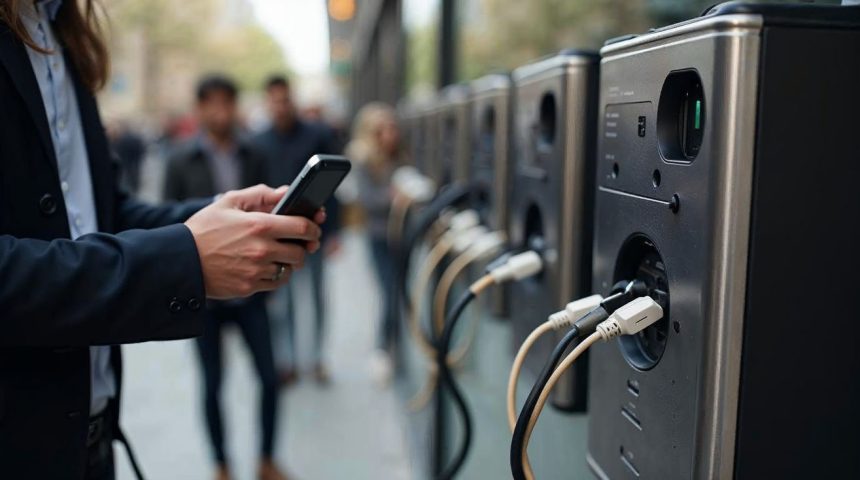
In the frantic pace of our modern lives, finding a convenient spot to charge our devices seems like a small victory. But what if that seemingly innocent public USB charging station is hiding a secret? It’s a question more people are asking as awareness grows about the hidden data risks lurking in plain sight.
The topic of public USB charging stations isn’t just about convenience anymore; it’s about safety. With our smartphones acting as lifelines, the potential for data theft at these stations is a genuine concern. But how real is the threat? Let’s dive deeper.
Understanding the Threat: Juice Jacking
Have you ever plugged your phone into a public USB port and wondered, “Could someone be accessing my data right now?” This fear isn’t unfounded. The term “juice jacking” describes a cyber attack where malware installed through a compromised charging station can steal data or install malicious software on your device.
According to a report by the FCC, this isn’t just a theoretical risk. Cybersecurity experts agree that as our devices become more integrated into our daily lives, the points of vulnerability multiply. It’s a stark reminder that convenience can come at a cost, and it’s a cost that might be too high if it involves our personal information.
How Does Juice Jacking Work?
You might be wondering, “How exactly does juice jacking work?” It’s surprisingly simple. When you connect your phone to a USB port, you’re not just transferring power; you’re opening a path for data transfer. If that port has been compromised, malware can be transferred to your device in seconds.
Once the malware is on your device, it can wreak havoc — stealing sensitive information like passwords, contacts, or even installing ransomware. It’s a chilling thought, especially considering how easily this can happen without any visible signs. You might not even realize until it’s too late, leaving you to deal with the aftermath.
Protecting Yourself: Practical Tips and Advice
Feeling a bit uneasy? Don’t worry, there are practical steps you can take to protect yourself from these risks. First, consider carrying your own charger and plugging into an electrical outlet instead of a USB port. This simple change can provide peace of mind, knowing that you’re not opening yourself up to potential threats.
Another effective measure is to use a USB data blocker, also known as a “USB condom.” This device blocks data transfer while still allowing your phone to charge. It’s a small investment for a significant boost in security. Plus, keeping your device updated with the latest software can patch vulnerabilities and keep you one step ahead of potential attackers.
Are Public USB Charging Stations Worth the Risk?
So, is it worth the risk to use public USB charging stations? The answer depends on how much you’re willing to gamble with your data. While the convenience is undeniable, the potential risks might make you think twice. It’s a balancing act between accessibility and security, and the stakes are high.
For those who can’t resist the convenience, being informed and prepared is key. Knowing the risks and taking proactive measures can help mitigate the dangers. And remember, it’s better to be safe than sorry — especially when it comes to your personal information.
In the end, the choice is yours. You can continue to use public USB charging stations with caution, or you can opt for safer alternatives. Whatever you decide, stay informed and stay vigilant. And next time you’re out and about with a low battery, you’ll know exactly what to do.
If this topic sparked your curiosity, don’t hesitate to share it with others. After all, the more people who know about these risks, the safer we all are. Stay charged, stay safe, and keep your data secure.