
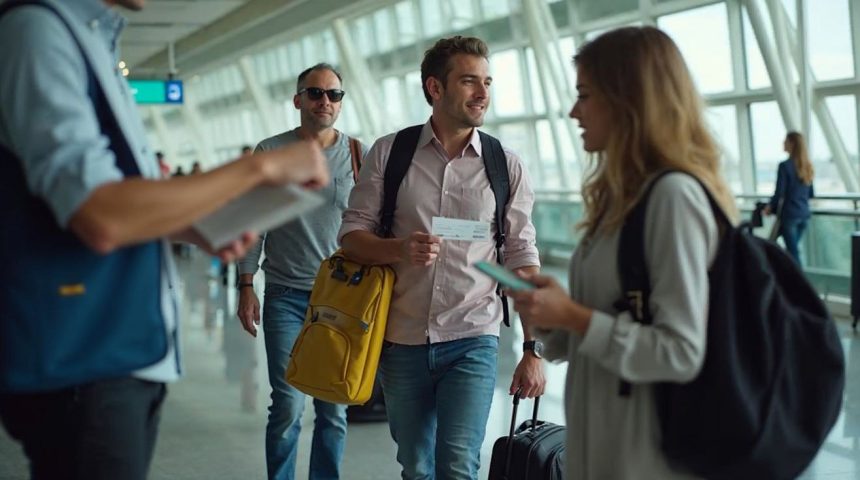
Imagine you’re at the airport, ticket in hand, feeling that familiar rush of excitement before a flight. You snap a quick photo of your boarding pass to share with friends on social media. Seems harmless, right? Well, not so fast. This seemingly innocent act can actually expose you to a range of risks that you might not have considered. And honestly, it’s surprising — really surprising — how much information a boarding pass can reveal.
The Hidden Dangers of Boarding Passes
When you look at a boarding pass, you might just see your flight number and seat assignment. But there’s more to it than meets the eye. Embedded in that little piece of paper is a wealth of personal data. We’re talking about your full name, frequent flyer number, and even your booking reference, which airlines refer to as a PNR (Passenger Name Record). This code is a goldmine for hackers, as it can unlock a treasure trove of personal details and travel itineraries.
According to a report by Kaspersky, cybercriminals can use this information to access your airline account, potentially exploiting your travel points or even altering your travel plans. It’s the kind of detail people shrug at… until they don’t.
How Hackers Exploit Your Information
Once a hacker gets their hands on your PNR, things can spiral quickly. They can log into your airline account, change or cancel flights, and even access your payment information. It’s not just about losing frequent flyer miles; it’s about the potential disruption to your life. Imagine showing up at the airport, ready for your trip, only to find out your flight has been changed or worse, canceled.
And there’s more. With just a few clicks, hackers can find out which hotel you’re staying at, when you’re checking in, and even your return flight details. It’s a level of exposure that most of us wouldn’t willingly share on a public platform, yet it happens more often than you’d think.
Real-Life Stories: Learning the Hard Way
There are cautionary tales aplenty. Take the case of a traveler who posted a photo of his boarding pass on Instagram, only to have his entire itinerary compromised. He returned to find that someone had checked into his hotel using his name and even charged expenses to his room. It was a costly lesson in the dangers of oversharing.
According to Consumer Reports, these incidents are not isolated. Many people have fallen victim to similar scams, often realizing too late the importance of keeping their travel documents private. The emotional toll can be significant, leaving victims feeling violated and anxious.
Protecting Yourself from Potential Threats
So, what can you do to protect yourself? First and foremost, think twice before posting travel documents online. It’s a small step, but it can save you a world of trouble. If you must share your travel adventures, consider cropping out sensitive information or using a photo editing tool to blur out details.
Additionally, regularly updating your passwords and enabling two-factor authentication on your airline accounts can provide an extra layer of security. It’s a bit of a hassle, sure, but in today’s digital age, it’s a necessary precaution. Remember, it’s not just about protecting miles; it’s about safeguarding your identity.
Embrace Secure Sharing Practices
In this era of social media, sharing is second nature. But before you post that next travel picture, pause and consider the implications. Is it worth the risk? There are safer ways to share your experiences — methods that don’t involve compromising your security.
So next time you’re tempted to post a snap of your boarding pass, remember the potential risks. It’s easy to get caught up in the moment, but a little caution can go a long way. After all, travel should be about making memories, not dealing with the fallout of identity theft.
Travel safely and share wisely. If you found this article helpful, why not share it with a friend who loves to travel? They might thank you next time they’re tempted to post a boarding pass photo. Safe journeys!