
The world is buzzing with information, yet somewhere in the shadows, a silent orchestra of misinformation plays a troubling tune. It’s a symphony of confusion, where the conductors remain largely unseen—until you start digging deeper. Who are these hidden players engineering global disinformation campaigns? And why do they do it?
The Puppeteers of Disinformation
The masterminds behind these campaigns aren’t always who you’d expect. Sure, there are the usual suspects—rogue states and political operatives—but sometimes it’s a complex web of influencers, businesses, and even seemingly innocuous organizations. Their motives? Often a tangled mix of power, profit, and political sway. Who knew?! Could a tweet or a meme really shift a nation’s mood?
It’s not just about spreading falsehoods. It’s about crafting narratives that benefit their agenda, sometimes sowing discord with the simplest of lies. According to a Brookings Institution report, these efforts are not isolated incidents but are becoming increasingly organized and sophisticated.
The Digital Battlefield
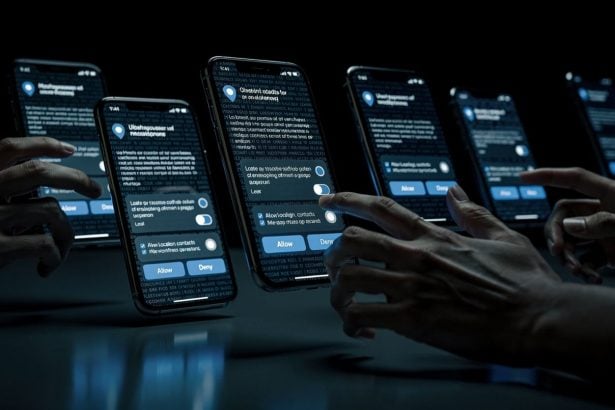
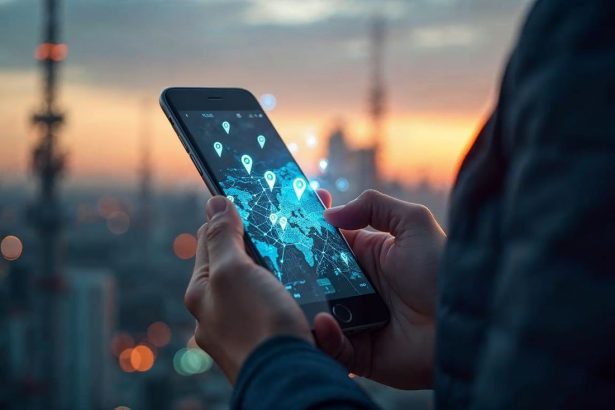
Welcome to the digital battlefield, where keyboards are the new swords. In this arena, social media platforms are both the battlegrounds and the weapons. Algorithms can be manipulated, and data can be twisted to fit the narrative of choice. The reach? Staggeringly global. One misleading post in a tiny corner of the internet can ignite a firestorm halfway around the world.
But who are the foot soldiers in this digital war? Often, they’re unwitting participants—regular users who get swept up in the tide of disinformation, sharing content without realizing its origins or intent. And then there are the bots, the programmed minions that amplify these messages, making them seem more credible and widespread than they are.
Real-Life Consequences
The ramifications of these campaigns are very real. From swaying elections to inciting violence, the impact is tangible. There’s a chilling effect on democracy when voters base decisions on manipulated information. And it doesn’t stop there. Health misinformation, for example, can lead to disastrous outcomes, like the spread of vaccine hesitancy. According to the World Health Organization, misinformation has been a significant barrier to public health efforts worldwide.
Imagine a world where truth is a rare commodity, and lies are easier to believe. It’s a disturbing thought, isn’t it? And yet, in some ways, that’s the reality we’re inching towards. It’s not just about what you know, but what you don’t know—and what you’re made to believe.
Combating the Chaos
So, how do we fight back against this tide of disinformation? It starts with awareness. Knowing that these campaigns exist is the first step to countering them. Media literacy is crucial; understanding how to discern credible sources from dubious ones can make all the difference. Schools and educational institutions have a role to play here, teaching critical thinking and digital literacy from a young age.
Tech companies, too, are on the frontline. They’re being called upon to take responsibility, to tweak algorithms that prioritize engagement over truth. It’s a tricky balance, one that involves respecting free speech while curbing the spread of falsehoods. And yet, the stakes have never been higher.
Governments around the world are waking up to this threat, too. Policies are being put in place, and international collaborations are forming to tackle this global issue. It’s a race against time, a race for truth in an era where lies travel faster than ever before.
A Call to Action
In this age of information warfare, every click, every share, and every like counts. We all have a role to play in this battle for truth. Be skeptical, be informed, and most importantly, be active. Share knowledge and educate those around you. Because in the end, the fight against disinformation is a collective one.
Join the conversation, stay alert, and let’s ensure that truth in the digital age isn’t an endangered species. It might feel like a daunting task, but remember, every small action counts. And who knows? With enough of us on the frontlines, we might just turn the tide.