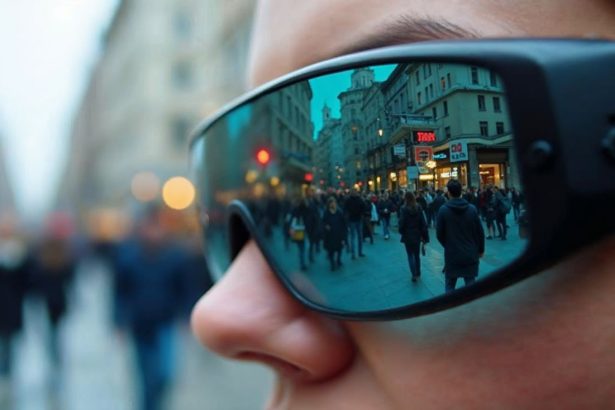



In a world where data is the new oil, the specter of another Cambridge Analytica scandal feels less like a distant possibility and more like an impending reality. It sends shivers down the spine, doesn’t it? The idea that our personal information could be used without our consent to manipulate our thoughts and decisions is both fascinating and terrifying. But could it really happen again today? Experts are raising the alarm, and the reasons might just surprise you.
Data Privacy: A Double-Edged Sword
The notion of data privacy has never been more critical. With every click, swipe, and tap, we leave behind digital footprints that can be pieced together to form an incredibly detailed picture of our lives. And while companies assure us that our data is safe, the truth can be murkier. According to a report by the Pew Research Center, a significant portion of users express concerns over how much information is being collected and how it is being used.
But it’s not just about the data being collected; it’s about who has access to it. The Cambridge Analytica scandal showed us that when data falls into the wrong hands, the consequences can be far-reaching. As it turns out, the safeguards in place today might not be as robust as we’d like to believe.
The Rise of Data Brokers
Enter the world of data brokers. These shadowy figures operate behind the scenes, buying and selling personal data like it’s just another commodity. And honestly, it’s surprising — really surprising — how much they can learn about us. From our shopping habits to our political leanings, data brokers can paint a vivid picture of who we are.
As noted by FTC reports, the industry remains largely unregulated, allowing brokers to amass massive amounts of data with little oversight. This lack of regulation is a ticking time bomb, just waiting for someone to exploit it. It’s the kind of detail people shrug at… until they don’t.
Manipulating the Masses: A Real Threat
The potential for manipulating public opinion through data misuse is a chilling reality. Imagine a world where elections are swayed not by policy but by targeted misinformation campaigns. Unfortunately, this isn’t just the stuff of dystopian fiction. It’s already happened, and experts warn it could happen again.
According to Harvard University’s Berkman Klein Center, the use of personal data to influence voter behavior is a growing concern. The technology used to analyze and predict our actions is becoming more sophisticated, making it easier for those with nefarious intentions to sway public opinion.
What Can Be Done?
So, what can we do to prevent another Cambridge Analytica scandal? The answer lies in a mix of stronger regulations, increased transparency, and consumer vigilance. Governments around the world are starting to wake up to the need for stricter data privacy laws, but progress is slow. Meanwhile, companies must be held accountable for how they handle our data, ensuring that privacy is not just a buzzword but a fundamental right.
On a personal level, we can all take steps to protect our own data. Being cautious about the apps we download, the permissions we grant, and the information we share online can make a difference. After all, in this digital age, knowledge is power, and protecting our data is an act of empowerment.
In the end, the responsibility lies with all of us — governments, companies, and individuals alike. We must work together to ensure that our digital world is a safe and secure place where privacy is respected and valued.
So, what’s your take? Are you ready to take control of your data, or do you think it’s a battle already lost? Dive into the conversation and share your thoughts. Let’s keep the dialogue going and make sure that history doesn’t repeat itself.