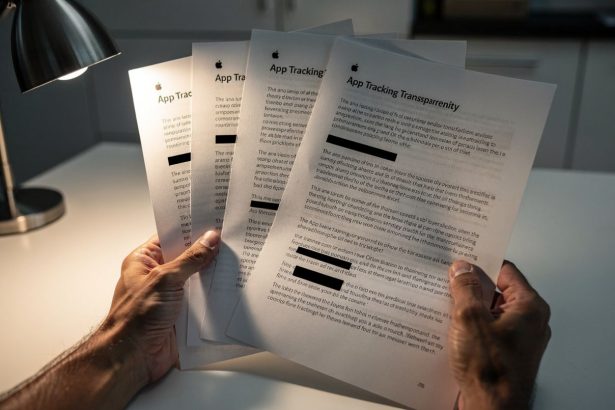



The digital age has ushered in an era where personal data is a hot commodity, often traded and valued more than gold. But who exactly is buying this data, and how is it being used? It’s a question that might leave you feeling a bit uneasy, and rightly so. As you scroll through your favorite apps and websites, your data is being collected, analyzed, and sold in a bustling marketplace that operates largely behind the scenes.
The Players in the Data Marketplace
When we talk about the buyers of personal data, we’re referring to a diverse group of entities, each with their own interests and motives. From advertising agencies seeking to understand consumer behavior to tech giants aiming to enhance user experience, the spectrum is broad. Financial institutions, too, are in the mix, using data to assess creditworthiness and detect fraud. And let’s not forget the data brokers—those shadowy figures who collect and sell data to the highest bidder. According to a report by the Federal Trade Commission, these brokers often operate without consumer knowledge or consent, raising significant privacy concerns.
How Your Data is Collected
It might surprise you to learn just how pervasive data collection is. Every time you make a purchase online, post a status update, or even just browse the web, data is being collected. It’s not just about what you buy or where you click; it’s also about your personal preferences, habits, and even your location. Companies use cookies and trackers to monitor your behavior, creating a detailed profile that is both valuable and, for some, a bit invasive.
However, not all data collection is nefarious. Some businesses use it to improve service quality or offer personalized experiences. For instance, streaming services like Netflix use viewing data to recommend shows you might enjoy. Yet, the line between helpful and intrusive can often be blurred, and not everyone is comfortable with how their data is being used.
The Economics of Personal Data
The economics of personal data is a complex web, resembling a modern-day gold rush. Companies are willing to pay top dollar for insights that can give them a competitive edge. But how is this data actually priced? Well, it depends on the type and quality of the data. Basic information like age and gender might fetch a lower price, while more detailed insights—such as purchasing habits or health information—are considered more valuable.
Interestingly, a study by Forrester Research found that the data economy is expected to grow exponentially, with companies investing billions to harness the power of data analytics. And while this might sound promising for innovation, it also amplifies the risk of data breaches and misuse.
What Can You Do to Protect Your Data?
Feeling a bit overwhelmed? You’re not alone. In this intricate dance of data exchange, it’s easy to feel powerless. But there are steps you can take to safeguard your information. Start by being mindful of the apps and websites you use. Check privacy settings and limit the amount of data you share. Consider using a VPN to mask your online activity. And don’t underestimate the power of a strong password—it’s your first line of defense against unauthorized access.
Moreover, advocacy for stronger data protection laws is gaining momentum. Recent regulations like the GDPR in Europe are setting a precedent for how data should be handled, giving consumers more control over their personal information. It’s a step in the right direction, but there’s still a long way to go.
In this ever-evolving landscape, staying informed and vigilant is key. So next time you click “accept” on those terms and conditions, take a moment to consider the implications. Your data might be invisible, but its impact is very real.
As we navigate this digital world together, let’s strive for a balance between innovation and privacy. And remember, your data is more than just numbers—it’s a part of who you are. Protect it, value it, and be aware of where it goes. After all, you deserve to know who’s pulling the strings behind the curtain.