


It’s the kind of topic that sends a shiver down your spine — and not the good kind. Imagine a world where your every online move, every fleeting interest, is meticulously tracked and analyzed. Welcome to the era of Microtargeting 2.0, where governments and corporations wield tools that feel straight out of a dystopian novel. But this isn’t fiction; it’s happening right now.
Microtargeting, in its essence, is about delivering highly personalized messages to individuals based on their specific characteristics and behaviors. While it might sound convenient, even helpful at times, the reality is far more complex. The technology has evolved, becoming more sophisticated and invasive. And honestly, it’s surprising — really surprising — just how deep this rabbit hole goes.
The Evolution of Microtargeting
In its early days, microtargeting was primarily a tool for advertisers. They would analyze consumer data to tailor ads that would likely resonate with specific audiences. Fast forward to today, and the capabilities have expanded dramatically. Now, it’s not just about selling you a new pair of shoes. It’s about influencing your decisions, your beliefs, even the way you perceive the world.
How did we get here? Well, with the rise of social media platforms and tech giants, the amount of data available has skyrocketed. According to a Pew Research Center report, a staggering number of adults use social media daily, offering a goldmine of data for those who know how to mine it. And it’s not just about what you like or share. It’s about your entire digital footprint — every click, every pause, every scroll.
Tools of the Trade
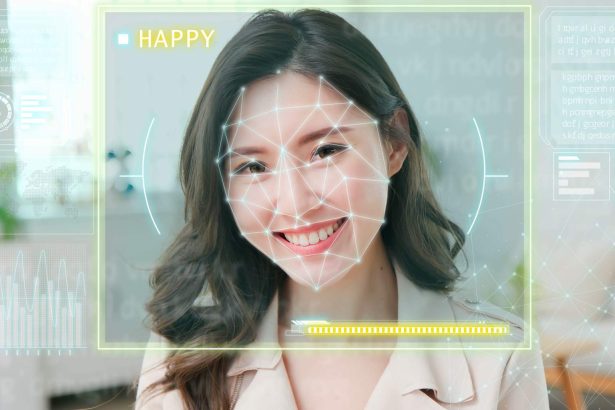
So, what exactly are these tools that make Microtargeting 2.0 possible? It’s a mix of cutting-edge technology and old-fashioned psychology. Algorithms, for one, are at the heart of this operation. They sift through mountains of data, identifying patterns and predicting behaviors with unnerving accuracy. Machine learning and AI play a crucial role, constantly refining their methods as they learn more about us.
But here’s where it gets really intriguing. It’s not just the tech that’s advanced; it’s the strategies. Behavioral analytics, psychographic profiling, and emotional AI are all part of the toolkit. They don’t just know what you want; they know why you want it. It’s the kind of detail people shrug at… until they don’t.
The Implications for Privacy
Now, let’s talk about privacy — or the lack thereof. With such powerful tools at play, the line between public and private has blurred. You might think you’re making choices freely, but in reality, you’re being gently nudged, guided by unseen hands. The implications are enormous, and the debate over privacy versus convenience is more relevant than ever.
Consider this: every time you agree to terms and conditions without reading them, you’re potentially giving away a piece of your privacy. It’s a trade-off, one that many are only beginning to understand. And yes, it happens more often than you’d think. A Forbes article aptly puts it — privacy matters, even if you believe you have nothing to hide.
What Can We Do?
So, where does that leave us? It’s easy to feel powerless in the face of such overwhelming technology, but there are steps we can take. Awareness is key. The more we understand about how our data is used, the better equipped we are to make informed decisions. Advocating for stronger regulations and transparency from companies is equally crucial. After all, knowledge is power.
And let’s not forget the importance of digital literacy. Educating ourselves and others about the digital landscape can make a significant difference. It’s about knowing the tools available to protect our privacy — VPNs, encrypted communication apps, and privacy-focused browsers are just the beginning.
In this rapidly evolving digital world, staying informed and vigilant is not just an option; it’s a necessity. As we navigate the complexities of Microtargeting 2.0, let’s strive for a balance where technology enhances our lives without infringing on our freedoms.
And so, the question remains: what will you do to protect your digital identity? It’s time to take action, one step at a time. Your privacy is worth it.