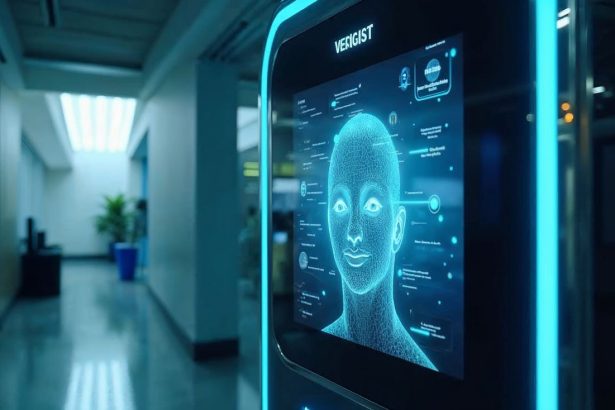


Imagine a world where your smartphone not only connects you to the internet but also continuously senses and adapts to your environment. As futuristic as it sounds, the advent of 6G networks promises to transform the landscape of connectivity and surveillance. You might wonder, what exactly will 6G bring to the table that its predecessors haven’t? Well, the potential is vast, and maybe even a little unnerving.
The Leap from 5G to 6G
5G networks have only just begun to roll out, and they already offer impressive speeds and connectivity. But the promise of 6G is on a whole new level. We’re talking about speeds that are up to 100 times faster than 5G. Yes, you read that right. This isn’t just an incremental upgrade; it’s a quantum leap. With such capabilities, 6G will facilitate the transmission of massive amounts of data instantaneously. But what does this mean for surveillance?
Surveillance and Real-Time Monitoring
With 6G, the concept of real-time surveillance becomes not just feasible but incredibly efficient. Imagine drones flying overhead, equipped with sensors that can capture high-definition video and relay it back to a central system in real-time. These drones could monitor traffic, assist in search and rescue missions, or even oversee large public events. According to a Forbes article, the ability to process and analyze data rapidly means that decisions can be made almost instantly, enhancing the effectiveness of surveillance operations.
Privacy Concerns and Ethical Considerations
But all this power comes with a catch. The increased surveillance capabilities that 6G enables also raise significant privacy concerns. When you’re constantly connected, the potential for misuse of your data becomes a real issue. How will regulations keep pace with technology? It’s a question worth pondering. Some argue that the very fabric of privacy as we know it could be altered. After all, who controls the data, and how is it used? These are not trivial questions, and honest answers may be elusive.
Beyond Surveillance: New Opportunities
But let’s not forget the positive potential of 6G. Beyond surveillance, this technology could open up new frontiers in fields like healthcare, education, and transportation. Imagine hospitals where doctors can perform remote surgeries with zero latency. Or schools where virtual reality provides immersive learning experiences. The possibilities are exciting, and they extend far beyond watching over people. In fact, they could redefine how we live and interact with the world.
Technological Hurdles and the Road Ahead
Of course, transitioning from 5G to 6G is no small feat. There are numerous technical challenges to overcome. For starters, the infrastructure needs to be significantly upgraded. Moreover, the development of new devices capable of operating on 6G frequencies is essential. These tasks require time, investment, and innovation. But the tech community is optimistic. According to a report from Ericsson, industry leaders are already working on prototypes and solutions, anticipating a rollout sometime in the 2030s.
The Human Element
At the heart of this technological revolution are people — you, me, and everyone else. How we choose to integrate and regulate such transformative technology is crucial. Will we prioritize ethical considerations and personal privacy? Or will the allure of unprecedented connectivity lead us to overlook potential pitfalls? It’s a balancing act that requires thoughtful dialogue and deliberate action.
In the end, the arrival of 6G networks will likely bring both challenges and opportunities. As we stand on the brink of this new era, one thing is clear: the future of connectivity will be anything but dull. So, what do you think? Are you excited or apprehensive about the possibilities that 6G might unlock? Let’s keep this conversation going as we all prepare to navigate the brave new world of 6G.