
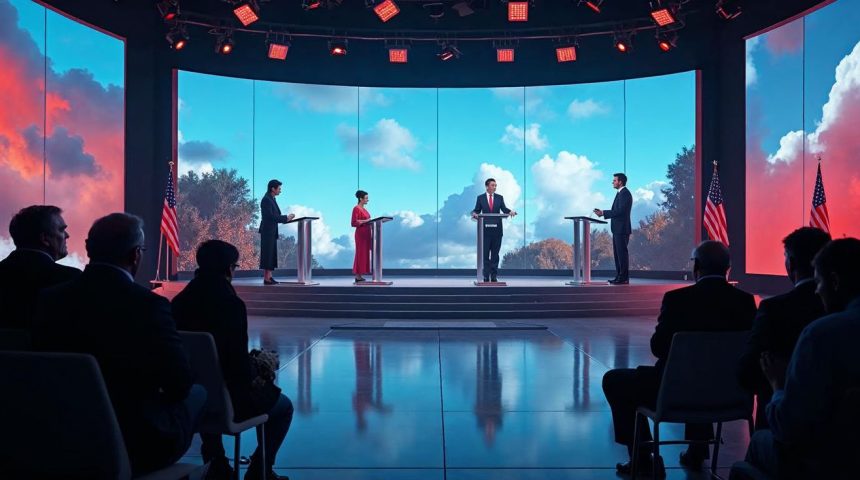
In a world where technology advances at breakneck speed, it’s not just our gadgets that are evolving—it’s our democracy too. Imagine a future where political candidates aren’t quite what they seem. No, this isn’t some dystopian sci-fi plotline. It’s a very real possibility, and it could happen sooner than you think. The threat of synthetic candidates in future elections is a topic that’s raising eyebrows and, frankly, sending chills down the spines of many.
But what exactly are synthetic candidates? Picture this: a candidate crafted not from flesh and bone, but from lines of code. These are digital personas, meticulously designed to look, sound, and even behave like human beings. And the implications are, well, a bit unsettling.
What Are Synthetic Candidates?
Synthetic candidates are essentially digital avatars created using advanced artificial intelligence. These aren’t just animated figures; they’re incredibly lifelike, with the ability to engage, debate, and even inspire. Think deepfakes, but with a lot more sophistication. The technology behind them is so advanced that they can mimic human mannerisms, voice inflections, and even emotional responses. And here’s the kicker: they can be programmed to say anything their creators want.
According to a BBC report, the rise of AI-driven content and digital manipulation is becoming a significant concern. The potential for misuse in political arenas is, understandably, alarming. Can you imagine a synthetic candidate being used to sway public opinion during an election?
The Risks of Digital Deception
The risks associated with synthetic candidates are numerous. For starters, there’s the very real danger of misinformation. In an age where “fake news” has become a household term, adding synthetic candidates to the mix could exacerbate the issue tenfold. These digital figures could spread false narratives, manipulate public opinion, or even impersonate real candidates to create confusion.
Moreover, the ethical implications are profound. Is it right to allow non-human entities to participate in democratic processes? And if so, how do we regulate their involvement? Questions like these are sparking debates across the globe, and the answers aren’t as straightforward as one might hope.
A study from Harvard University highlights the potential impact of AI on future elections, noting that the lack of regulatory frameworks could lead to significant disruptions in democratic systems. It’s a sobering thought, and one that underscores the urgent need for policymakers to act.
Could Synthetic Candidates Fool Voters?
You might be wondering: could these synthetic candidates actually fool voters? The short answer is yes, they could. With AI technology advancing at such a rapid pace, the line between what’s real and what’s artificial is becoming increasingly blurred.
Consider the recent advances in voice synthesis and facial animation. These technologies are now so advanced that they can create highly convincing digital personas that are indistinguishable from real people. And it’s not just about appearance. These synthetic candidates can engage in debates, answer questions, and even display emotions—albeit artificially.
However, there’s a glimmer of hope. As AI becomes more sophisticated, so too do the tools for detecting and debunking digital deceptions. But it’s a cat-and-mouse game, and staying ahead of the curve is no easy feat.
Safeguarding Our Elections
So, how do we safeguard our elections against the threat of synthetic candidates? It’s a question that’s on the minds of many, from tech experts to policymakers. One thing is clear: we need robust regulations and technological safeguards to detect and prevent digital deception.
Public awareness is also crucial. Educating voters about the potential for synthetic manipulation could help inoculate them against its effects. After all, an informed electorate is a resilient one.
There’s also the need for international cooperation. The threat of synthetic candidates is not confined to any one country; it’s a global issue that requires a global response. By working together, nations can share insights, develop best practices, and create a united front against this emerging threat.
As we navigate this brave new world, one thing is certain: our democracy is worth protecting. So let’s stay vigilant, stay informed, and most importantly, stay engaged. The future of our elections—and indeed, our society—depends on it.
In the end, the conversation around synthetic candidates is just beginning. It’s a complex issue with no easy answers, but one that demands our attention. So, what do you think? Let’s keep the dialogue going and ensure we’re all part of the solution.