
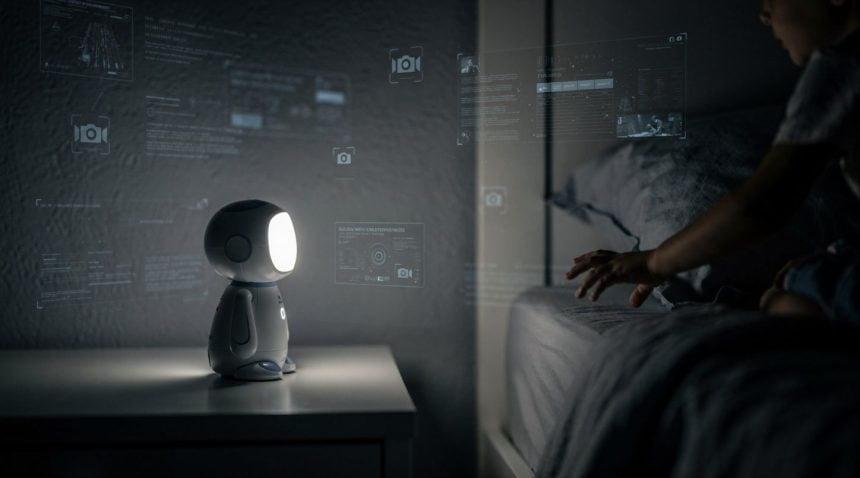
A parent hands their child an AI-powered toy companion and walks away, assuming it’s just another talking doll. What they don’t realize is that the device is recording fragments of their child’s play, conversations, and emotional patterns—data that flows into corporate servers with minimal oversight and no clear deletion timeline.
This gap between what parents think these toys do and what they actually collect has triggered an emergency response from lawmakers in 2026. The discovery of how much intimate behavioral data AI toys harvest from children during their most formative moments has prompted calls for outright bans, marking a rare moment of bipartisan concern over a consumer technology category that has operated in almost complete regulatory darkness.
- The Recording Scope: AI toys collect detailed records of children’s conversations, play patterns, emotional responses, and behavioral preferences with minimal parental oversight.
- The Data Timeline: Some devices store intimate childhood data indefinitely while others transmit it to cloud servers operated by toy manufacturers or third-party AI companies.
- The Regulatory Gap: COPPA, written in 1998, fails to address the granular behavioral data that modern AI systems extract from children’s play.
AI-powered children’s toys represent a new category of connected devices designed to engage kids through conversation, play scenarios, and personalized responses. Unlike traditional toys, these devices use machine learning to adapt to individual children’s interests and speech patterns. The appeal to manufacturers is clear: the more data a toy collects about how a child plays, what they’re interested in, and how they express themselves, the better the AI can be trained to seem more responsive and engaging.
The problem is what happens to that data afterward. Research on AI toys confirms these devices are collecting detailed records of children’s conversations, play patterns, emotional responses, and behavioral preferences. Some devices store this information indefinitely. Others transmit it to cloud servers operated by toy manufacturers or third-party AI companies. Parents are rarely given clear visibility into what’s being recorded, how long it’s kept, or who can access it.
Why Are Children’s Most Private Moments Being Recorded?
The developmental stakes are what have alarmed lawmakers. Children’s play is how they learn to regulate emotions, develop social skills, and build confidence in their own creativity. When a toy is simultaneously a surveillance device, it fundamentally changes the nature of that play. A child may become self-conscious about what they say or do, knowing—consciously or not—that they’re being recorded. The data collected can also be used to build psychological profiles of children that could be sold to advertisers, shared with data brokers, or retained for purposes parents never consented to.
• AI toys collect behavioral data that’s arguably more revealing than traditional personal information like names or addresses
• COPPA enforcement has been inconsistent despite requiring parental consent for data collection from children under 13
• Most manufacturers bury data collection disclosures in terms of service documents parents never read
How Did These Toys Enter the Market Without Oversight?
What makes this moment significant is the speed of the regulatory response. Lawmakers have moved to ban or severely restrict AI kids’ toys, signaling that the industry’s self-regulation approach has failed. The toys entered the market with minimal friction because existing consumer protection laws were written before AI and connected devices became ubiquitous. The Children’s Online Privacy Protection Act (COPPA), passed in 1998, requires parental consent before collecting data from children under 13, but enforcement has been inconsistent and the law doesn’t account for the granular behavioral data that modern AI systems can extract.
The gap between legal requirement and actual practice has been enormous. Some manufacturers have claimed their toys don’t collect “personal information” because they’re not explicitly asking for names or addresses—even though they’re recording voice, play patterns, and emotional cues that are arguably more revealing than traditional personal data. IEEE research on personal data highlights how AI systems in toys raise significant concerns about individual agency and privacy protection. Others have buried data collection disclosures in terms of service documents that parents never read.
What Are the Immediate Risks for Families?
For parents, the immediate risk is clear: their child’s most private moments—the things they say when they think no one is listening, the fears they voice to a toy, the creative play that reveals their developing personality—are being recorded and potentially monetized. That data could be used to build marketing profiles that follow these children into adulthood. It could be breached, exposing intimate details about minors. It could be sold to third parties for purposes parents never imagined.
The broader implication extends beyond individual privacy. If children grow up with toys that record their every word and action, it normalizes constant surveillance during the years when they’re forming their understanding of privacy, autonomy, and what it means to have a space that’s truly their own. The habits and expectations they develop now will shape how they think about data collection and consent for the rest of their lives.
• Connected toys create psychological profiles during children’s most formative developmental years
• Voice recordings and emotional cues provide more intimate data than traditional personal identifiers
• Current privacy frameworks fail to address the unique vulnerabilities of child-AI interactions
Will the Legislative Bans Actually Protect Children?
The legislative push to ban or restrict these toys marks a turning point. For years, the tech industry has operated under the assumption that if something is technically possible and profitable, it should be allowed until proven harmful. The AI kids’ toy category has forced a reckoning with that model. Lawmakers are signaling that some data collection practices are too invasive to permit, regardless of parental consent or corporate claims about safety.
Security research on IoT devices demonstrates the broader privacy challenges facing connected children’s toys, emphasizing the need for stronger data protection frameworks. The question now is whether these bans will stick, and whether they’ll extend to other AI-powered devices that collect behavioral data from vulnerable populations. The answers will shape what kinds of surveillance technologies are allowed in homes, schools, and other spaces where children spend their time.