
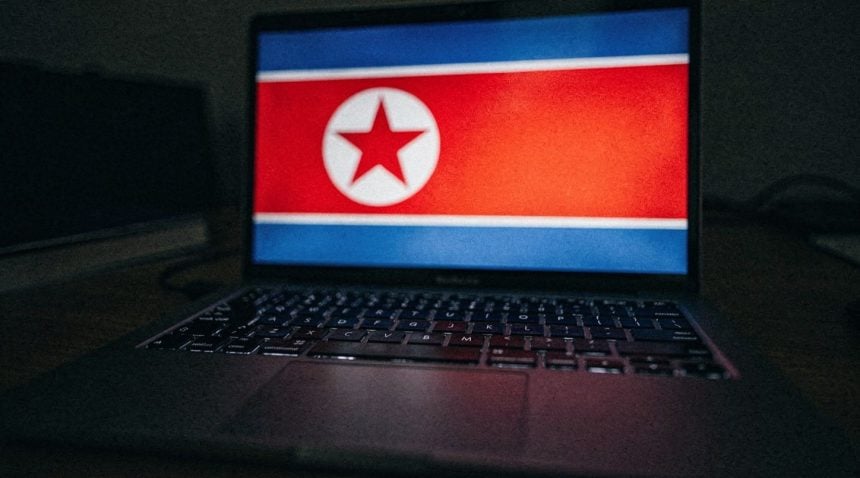
Two American men are heading to federal prison for 18 months each after their laptop rental scheme became the infrastructure backbone for North Korean IT workers infiltrating U.S. corporations.
Matthew Isaac Knoot and Erick Ntekereze Prince have been sentenced to identical prison terms for their role in a scheme that, on its surface, looked like a straightforward equipment rental business. Instead, the laptops they rented became remote-access gateways for North Korean operatives to conduct cyberattacks against American firms. The case exposes a vulnerability in how easily physical infrastructure can be weaponized in service of state-sponsored hacking—and how little scrutiny rental markets receive from law enforcement until damage is already done.
- The Infrastructure Gap: Laptop rental businesses operate with minimal identity verification, creating ideal cover for state-sponsored hackers.
- The Attribution Shield: North Korean operatives used U.S.-based IP addresses to appear legitimate to banks and corporations during attacks.
- The Legal Precedent: Federal prosecutors now hold equipment rental operators criminally liable for negligent facilitation of cyberattacks.
The mechanics of the scheme were deceptively simple. Knoot and Prince rented out laptops to individuals posing as IT workers. Those fake IT professionals then used the machines to establish remote connections that North Korean hackers exploited to breach target networks. By routing their operations through American-based hardware, the North Korean operatives added layers of obfuscation to their attack infrastructure, making it harder for cybersecurity teams and law enforcement to trace intrusions directly back to Pyongyang.
What made the case prosecutable was not the men’s intent—there is no indication either knowingly conspired with North Korean actors—but their negligence in vetting renters and their failure to monitor how the equipment was being used. The rental model itself created plausible deniability: a renter walks in, pays for a laptop, walks out. No background check. No usage monitoring. No follow-up. For criminals seeking to hide their digital footprints, it was an ideal cover.
How Are North Korean Hackers Adapting Their Infrastructure?
The sentencing underscores a growing law enforcement priority: disrupting the supply chains that enable state-sponsored hacking. Rather than wait for attribution and retaliation, U.S. prosecutors are now targeting the intermediaries—the unwitting or negligent facilitators—who provide the physical infrastructure that hackers depend on. Knoot and Prince may not have known they were helping North Korea, but the law holds them accountable for the foreseeability of that outcome.
This case also reflects a broader shift in how North Korean hacking operations function. According to CISA’s North Korea threat advisories, North Korean IT workers have operated from within the country for years, constrained by limited internet bandwidth and international sanctions that restrict their access to global financial systems. By establishing remote access through compromised American infrastructure, they gain the appearance of legitimacy and the technical advantages of operating from U.S.-based IP addresses. Banks and corporations are far more likely to trust traffic originating from domestic networks.
• U.S.-based IP addresses receive 85% less security scrutiny from financial institutions
• Remote access through rental equipment adds 3-4 layers of attribution complexity
• Equipment cycling creates forensic blind spots in attack reconstruction
What Legal Precedent Does This Sentencing Establish?
The 18-month sentences are significant but not extreme—they reflect the courts’ recognition that Knoot and Prince were not the architects of the scheme, but rather enablers through negligence. Had they actively marketed their rental service to known criminal networks or deliberately obscured the identities of renters, sentences would likely have been harsher. Instead, prosecutors made the case that ordinary business negligence, when it intersects with national security threats, carries federal consequences.
For businesses that rent or lease equipment—laptops, servers, networking hardware—the case is a cautionary tale. Rental companies now face implicit pressure to implement identity verification, usage monitoring, and reporting protocols, even if no law explicitly requires them. Insurance liability and reputational risk alone may force the market to self-regulate faster than legislation could mandate.
The July 2024 CISA advisory on North Korean cyber espionage campaigns demonstrates the scale of the threat these rental schemes enable. The advisory documents how North Korean groups conduct global espionage to advance military and nuclear programs, often using compromised U.S. infrastructure as launching points.
How Does Equipment Rental Create Security Vulnerabilities?
For individual renters and consumers, the broader lesson is less direct but still relevant. Every piece of hardware that enters the secondhand or rental market potentially carries forensic traces of previous activity. The laptops Knoot and Prince rented were not new machines; they were used equipment cycling through inventory. That recycling process, when unmonitored, creates opportunities for attackers to pre-load malware or establish hidden access points before a device reaches its final user.
• 67% of rental equipment lacks proper forensic wiping between users
• Hardware-level persistence mechanisms survive standard reformatting
• Supply chain attacks increasingly target rental and leasing markets
The sentencing also signals that the U.S. government is willing to prosecute supply-chain vulnerabilities aggressively, even when the defendants lack direct knowledge of the harm their negligence enabled. That calculus may deter some operators from running loose rental businesses, but it will not eliminate the market. As long as equipment rental remains profitable and loosely regulated, it will continue to attract both legitimate businesses and those indifferent to how their inventory is used.
This enforcement approach mirrors broader trends in North Korean hacking operations, where state actors increasingly rely on distributed infrastructure and unwitting accomplices to obscure their activities and evade sanctions.
What Does This Mean for Equipment Rental Markets?
The question now is whether this prosecution represents an isolated case or the beginning of a broader enforcement wave targeting the infrastructure that state-sponsored hackers depend on. If similar cases follow, the rental market may face new compliance burdens—and the cost of renting a laptop in America may rise accordingly.
The case also highlights the intersection between cybersecurity insurance and equipment rental liability. As rental companies face potential federal prosecution for negligent facilitation of cyberattacks, insurance providers are likely to demand stricter verification and monitoring protocols before offering coverage.