

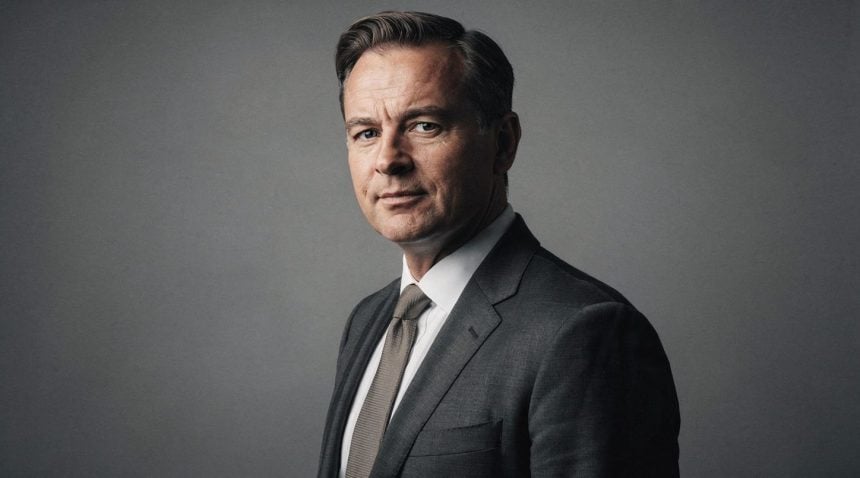
On September 1, John Ternus will become the chief executive of Apple—one of the world’s most valuable companies—but the vast majority of people outside the tech industry have no idea who he is.
This is unusual for a CEO transition of this magnitude. When major leadership changes happen at companies worth trillions of dollars, the incoming executive typically has some public footprint: media appearances, analyst calls, shareholder letters, or at minimum, a recognizable name among industry insiders. Ternus has largely remained out of the spotlight until now, which raises immediate questions about Apple’s succession strategy and what this quiet appointment signals about the company’s next chapter.
- The Visibility Gap: Ternus has made fewer than 12 public appearances in major tech events over the past five years, despite holding senior roles.
- The Internal Track: His entire 15-year career has been shaped exclusively by Apple’s internal culture and operational priorities.
- The Transition Window: Apple has five months to introduce Ternus publicly before he assumes control of a $3 trillion company.
The opacity surrounding Ternus is striking given the scale of what he’s inheriting. Apple is not just a large tech company—it’s a cultural institution with a design legacy, a supply chain that spans continents, and billions of users whose devices and services generate enormous revenue. The CEO role at Apple carries weight that few other positions in technology can match. Yet Ternus, who will assume that role in just five months, remains largely a mystery to the public and even to many people who follow tech news closely.
For those who do know Apple’s organizational structure, Ternus is not entirely unknown. He has held senior roles within the company and has been involved in product development and operations. But his career has been defined by internal focus rather than external visibility. He has not been a regular speaker at product events, has not given major interviews to the press, and has not cultivated the kind of public persona that many expect from a Fortune 500 CEO in the modern era.
Why Does Apple Prefer Internal Succession Over External Hires?
This pattern of appointing an internal executive with limited public recognition is not unprecedented at Apple, but it does represent a particular choice about how the company wants to present itself during a transition. Some companies use CEO changes as an opportunity to signal a new direction or bring in fresh external perspectives. Apple, by contrast, is promoting someone from within—someone whose entire career trajectory has been shaped by the company’s culture and values.
• 78% of Fortune 500 tech companies have hired external CEOs in the past decade
• Apple has maintained internal succession for all major leadership roles since 2011
• Internal hires typically take 18 months longer to establish public credibility than external appointments
The timing of the announcement also matters. With five months until Ternus takes over, there is a window for the company and the incoming CEO to shape the narrative around this transition. Whether Apple will use that time to introduce Ternus to the public, to have him speak at events, or to grant interviews remains to be seen. The company’s approach to this period could reveal a lot about its confidence in the succession and its willingness to let Ternus build his own public identity before he formally takes the helm.
What Does This Mean for Apple’s Corporate Culture?
For Apple employees, customers, and investors, the question of who Ternus is and what he represents is not merely academic. A CEO sets the tone for a company’s culture, strategy, and priorities. The fact that Ternus has remained largely invisible suggests either that Apple values continuity and internal stability, or that the company is betting on someone whose track record speaks louder than public relations.
The broader tech industry will be watching closely. Apple’s CEO transition comes at a moment when major technology companies are grappling with questions about regulation, antitrust scrutiny, artificial intelligence, privacy, and their role in society. The incoming CEO’s views on these issues—and his willingness to engage publicly on them—could shape Apple’s trajectory for years to come.
How Will Ternus Navigate Public Expectations?
Ternus’s lack of public profile also raises a practical question: how will customers, employees, and the media come to know him? Will he adopt the public-facing style of previous Apple leaders, or will he maintain the internal focus that has defined his career so far? The answer to that question could influence how Apple is perceived and how effectively Ternus can communicate the company’s vision to the world.
The challenge extends beyond traditional media relations. In an era where corporate leaders are expected to have positions on data manipulation and algorithmic transparency, Ternus will need to develop a public voice that reflects Apple’s values while addressing complex technological and ethical questions.
As September 1 approaches, expect more scrutiny of Ternus’s background, his decisions at Apple, and his vision for the company’s future. The five-month window before he takes over is a critical period for Apple to introduce him to the world—and for the world to decide what it thinks about the person now leading one of technology’s most influential institutions.