
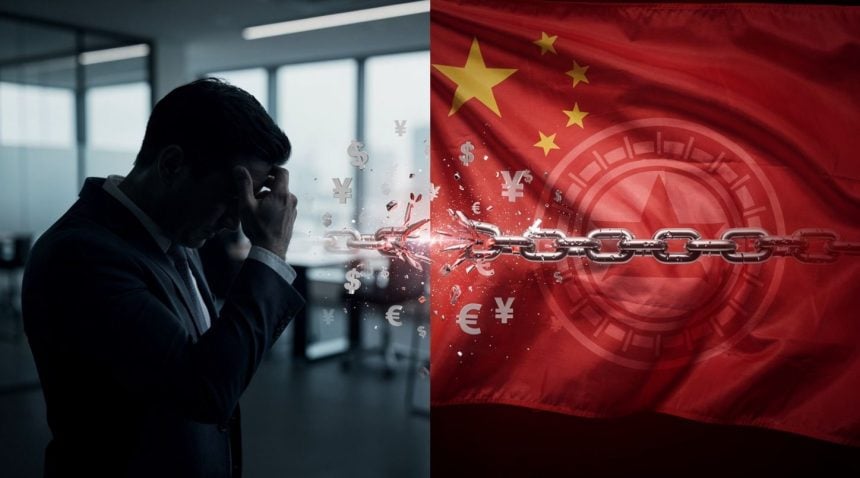
China has ordered Meta to unwind its $2 billion acquisition of Manus, the AI startup that promised to power the next generation of autonomous agents—a stunning reversal that dismantles one of Mark Zuckerberg’s most ambitious bets on the future of artificial intelligence.
The decision, announced after a months-long regulatory probe by Chinese authorities, strikes at the heart of Meta’s strategic pivot toward AI agents. For Zuckerberg, who has positioned autonomous agents as the company’s defining technology bet for the next decade, the forced unwinding represents a major setback in a market where first-mover advantage in AI infrastructure carries enormous long-term value. The veto also signals that China’s regulatory apparatus is willing to block high-stakes acquisitions by Big Tech firms, even after deals have been announced and integration has begun.
- The Precedent: China has actively unwound a completed $2 billion acquisition by a major American tech firm for the first time.
- The Strategic Impact: Meta loses critical AI agent technology that was central to its next-decade product roadmap.
- The Global Signal: Beijing demonstrates willingness to use regulatory power to block foreign control of AI-critical infrastructure.
The Manus acquisition was central to Meta’s plan to build and deploy AI agents—software systems capable of performing complex tasks autonomously on behalf of users. These agents were envisioned as the foundation for Meta’s next-generation AI products, from workplace automation tools to consumer-facing assistants. By acquiring Manus, Meta gained both technical talent and intellectual property in a field where competition is intensifying among tech giants.
Why Did China Block the Deal After Completion?
China’s regulatory probe examined the deal over several months before issuing the veto. The source does not specify the exact grounds cited by Chinese authorities, but the forced unwinding underscores Beijing’s increasing scrutiny of foreign tech acquisitions, particularly in AI and advanced computing. The timing is significant: as of April 2026, China has become more assertive in blocking or unwinding cross-border tech deals it views as strategically sensitive.
• First active unwinding of a completed Big Tech acquisition by China
• $2 billion deal value represents largest forced divestiture to date
• Months-long probe signals intensified scrutiny of AI infrastructure deals
For Meta, the unwinding order creates immediate operational and financial complications. The company must now reverse the acquisition, returning Manus to independent status or finding an alternative buyer. This disrupts product roadmaps and engineering teams that have already begun integrating Manus’s technology and personnel into Meta’s AI infrastructure. Employees hired as part of the Manus acquisition now face uncertain employment prospects.
What Does This Mean for Global Tech M&A?
The veto also exposes a vulnerability in Big Tech’s globalized acquisition strategy: regulatory approval in one jurisdiction does not guarantee acceptance elsewhere, especially as geopolitical tensions around AI development intensify. Meta’s playbook of acquiring promising startups to accelerate internal capabilities suddenly faces a new friction point. If China’s move sets a precedent, other acquisitions in AI, semiconductor design, or autonomous systems could face similar scrutiny from Beijing.
Zuckerberg has been vocal about AI agents as Meta’s core strategic focus. The company has invested heavily in AI research and development, with agents positioned as the natural evolution beyond large language models. According to research published in Stanford’s AI Index Report, AI systems development has accelerated dramatically, making strategic acquisitions increasingly valuable for maintaining competitive position. The Manus deal was meant to compress the timeline for bringing agent technology to market. With the acquisition now unwound, Meta must rely on internal development or pursue alternative partnerships—both slower paths than acquisition.
How Does This Fit the Broader AI Competition?
The broader context matters here: the United States and China are locked in competition over AI dominance, and both countries are tightening scrutiny of technology transfers and foreign ownership of AI-critical companies. China’s veto of the Manus deal fits a pattern of Beijing using regulatory power to protect domestic tech interests and limit foreign control of advanced AI infrastructure. For American tech companies, the message is clear: size and capital alone no longer guarantee regulatory approval in major markets.
• US-China AI competition drives increased regulatory scrutiny of cross-border deals
• Beijing prioritizes domestic control over AI infrastructure and talent
• Foreign tech firms face new barriers in strategically sensitive sectors
Meta is not the first Big Tech firm to face Chinese regulatory resistance. The company has been effectively locked out of mainland China for years due to political and regulatory barriers. But this marks one of the first times China has actively unwound a completed acquisition by a major American tech firm, rather than simply blocking a deal at announcement. This escalation reflects the growing importance Beijing places on controlling artificial intelligence development within its sphere of influence.
The forced unwinding also raises questions about how Manus’s technology and talent will be repositioned. If the startup remains independent, it becomes a potential acquisition target for other AI-focused companies—or for Chinese firms seeking to build agent capabilities domestically. The geopolitical stakes of AI development mean that control over promising startups is increasingly a matter of national interest.
What Are the Implications for Users and Competition?
For users and enterprises relying on Meta’s AI products, the impact may be delayed but real. If Manus technology was meant to accelerate agent deployment, the unwinding could slow the timeline for consumer-facing agent products. Meta’s ability to compete with OpenAI, Google, and other AI leaders may be measurably affected by losing access to Manus’s technical foundation.
The regulatory action also highlights the increasing tension between global tech companies and national governments over data localization and technological sovereignty. As AI systems become more central to economic and national security interests, governments are asserting greater control over which companies can access and develop these capabilities within their jurisdictions.
The question now is whether other countries will follow China’s lead in blocking or unwinding Big Tech acquisitions in AI. If so, the era of frictionless cross-border tech M&A may be ending, forcing companies to choose between markets and forcing a more fragmented global AI landscape. For Meta and other American tech giants, the Manus unwinding serves as a stark reminder that global expansion in AI now requires navigating an increasingly complex web of national security considerations and regulatory barriers.