
A growing number of Americans believe HIPAA protects all their health information from unauthorized access. The reality is far more complex—and concerning. Major gaps in the 30-year-old law leave vast amounts of medical data completely unprotected, creating a surveillance economy worth billions.
- The Coverage Gap: HIPAA protects only traditional healthcare providers while fitness apps, genetic testing, and wellness programs operate without privacy restrictions.
- The Data Flow: Health information from unregulated sources gets sold to insurance companies and data brokers for risk assessment and targeted advertising.
- The Enforcement Reality: Even within HIPAA’s scope, violations typically result in modest fines that major corporations treat as business expenses.
Why Does HIPAA Miss So Much Health Data?
Most patients assume their medical information enjoys blanket legal protection under the Health Insurance Portability and Accountability Act. This assumption proves dangerously wrong in practice. HIPAA covers only “covered entities”—hospitals, doctors, insurers, and their business associates. Research published in PMC documents how the law creates no protection for the exploding ecosystem of health apps, fitness trackers, employer wellness programs, and direct-to-consumer genetic testing services that now handle more personal health data than traditional healthcare providers.
The scope of unprotected health surveillance has expanded dramatically since 2020. Telehealth platforms, mental health apps, and COVID-tracking services collected unprecedented volumes of intimate medical information. Unlike your doctor’s office, these digital health companies can sell your data to advertisers, share it with law enforcement without a warrant, or transfer it overseas to countries with no privacy protections.
Where Your Health Data Really Goes
Direct-to-consumer genetic testing companies operate entirely outside HIPAA’s reach. When you submit saliva to learn about your ancestry, that genetic blueprint—along with any health predispositions—becomes corporate property. DNA testing companies typically retain broad rights to use, analyze, and monetize your DNA data indefinitely.
• Health and fitness apps collect data from 87 million Americans daily
• Genetic testing companies hold DNA profiles for over 30 million people
• Employer wellness programs monitor 85% of large company employees
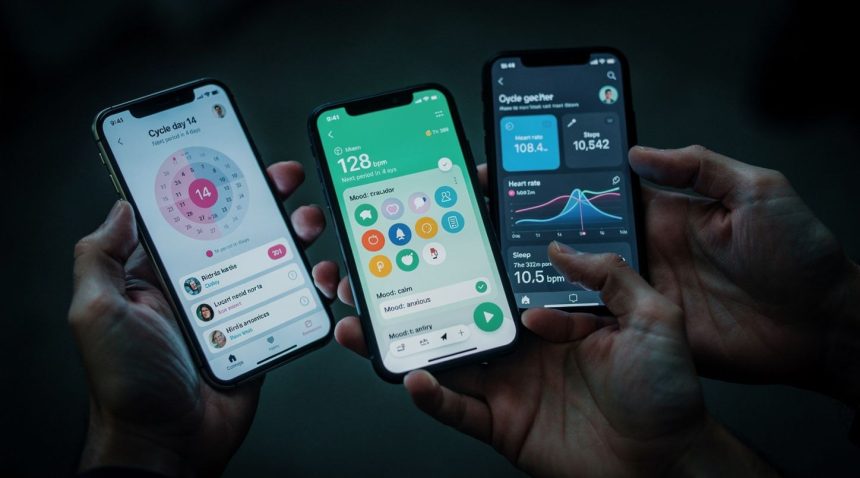
The same privacy gap affects popular health and fitness applications. Period tracking apps collect intimate reproductive health data. Mental health platforms record therapy sessions and mood patterns. Fitness wearables monitor sleep, heart rate, and location data around the clock. None of these fall under HIPAA protection, regardless of how medically sensitive the information becomes.
Employer wellness programs present particularly concerning surveillance risks, combining health monitoring with workplace power dynamics and potential discrimination.
Insurance companies and data brokers purchase this unregulated health information to build comprehensive profiles for risk assessment and marketing. The Federal Trade Commission has documented how data brokers compile “health scores” that combine prescription records, shopping habits, and online behavior to predict medical conditions and insurance claims.
How Weak Is HIPAA Enforcement Really?
Even within HIPAA’s limited scope, enforcement remains weak and inconsistent. The Department of Health and Human Services rarely imposes maximum penalties for violations. Most enforcement actions result in modest fines that major healthcare corporations treat as business expenses rather than deterrents.
Healthcare organizations routinely share patient data with technology vendors, pharmaceutical companies, and research institutions through broad “business associate agreements” that patients rarely understand or consent to meaningfully. These arrangements allow covered entities to circumvent HIPAA’s intent while maintaining technical compliance with its letter.
The rise of artificial intelligence in healthcare has created new pathways for data exposure. Medical AI systems require vast datasets for training, often aggregated from multiple sources and stripped of direct identifiers while remaining personally identifiable through advanced analytics techniques. HIPAA’s “de-identification” standards, written decades before modern data science capabilities, provide inadequate protection against re-identification attacks.
What Can Law Enforcement Access Without Warrants?
HIPAA contains broad exceptions for law enforcement access that most patients don’t realize exist. Police can obtain medical records without warrants in numerous circumstances, including investigations of crimes that occurred on healthcare premises, identification of suspects or victims, and cases involving injuries that might result from criminal activity.
• Law enforcement can access medical records in 12 different circumstances without warrants under HIPAA
• Period tracking and reproductive health data from apps carries no legal protection in restrictive states
• Fusion centers increasingly combine health data from non-HIPAA sources for surveillance profiles
The overturning of federal abortion protections has intensified focus on reproductive health data surveillance. Period tracking apps, search histories for abortion-related terms, and location data near reproductive health clinics now carry potential legal risks in states with restrictive abortion laws. These digital traces fall outside HIPAA protection entirely.
Fusion centers—state and local intelligence hubs that combine data from multiple sources—increasingly incorporate health information obtained from non-HIPAA sources. This creates comprehensive surveillance profiles that combine medical conditions, prescription patterns, mental health status, and movement data.
Are State Laws Filling the Privacy Gaps?
Several states have moved to address HIPAA’s gaps through comprehensive privacy legislation. California’s Consumer Privacy Act and similar laws in Virginia, Colorado, and Connecticut provide some health data protections beyond HIPAA’s scope, though enforcement mechanisms remain limited.
Global research on healthcare data privacy shows these state laws create a patchwork of different protections depending on where companies are located and where consumers live. Health data collected in Texas faces different privacy rules than identical information gathered in Illinois. This fragmentation benefits companies that can forum-shop for favorable regulatory environments.
Some states have passed specific health privacy measures targeting particular risks. Illinois requires explicit consent for genetic data sharing. Washington restricts health data sales to insurance companies. Vermont mandates disclosure of all data broker activities involving health information.
What Medical Privacy Actually Requires
True health data protection would require extending HIPAA-level safeguards to all entities that collect, process, or store health information, regardless of their business model or industry classification. Current proposals in Congress would close these gaps, but face strong opposition from the technology and data broker industries.
Patients seeking to protect their health privacy must assume that any digital health service operates without meaningful privacy protections. This means reading privacy policies carefully, understanding data sharing practices, and considering whether the convenience of health apps justifies surveillance economy risks they create.
The medical privacy most Americans believe they possess exists more in assumption than in law. Until that gap closes, health information will continue flowing through surveillance networks that would shock patients who assume their medical data stays between them and their doctors.